

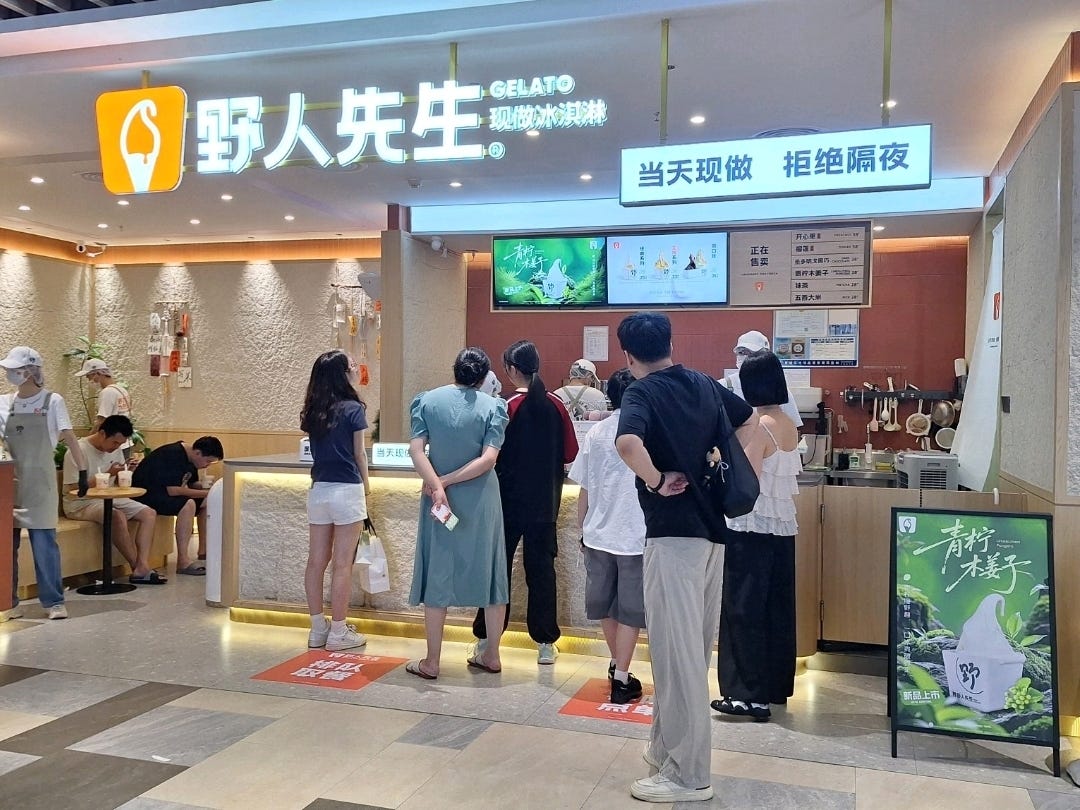
Luo Yonghao 罗永浩 wears many hats.
He is a teacher, a content creator, and the founder of a hardware company. Most importantly, he has also developed a distinctive identity — a critic of brands and product experiences in China.
From Siemens and Starbucks to Xibei, Apple, and now Yeah Gelato, Luo has consistently approached products and services from the consumer’s perspective.
As a major online influencer, his impact is enormous. On the one hand, his commentary can promote greater transparency; on the other, it can be powerful enough to seriously damage a brand.
This time, following his controversy over pre-made dishes, his criticism was directed at an gelato brand.
What happened?
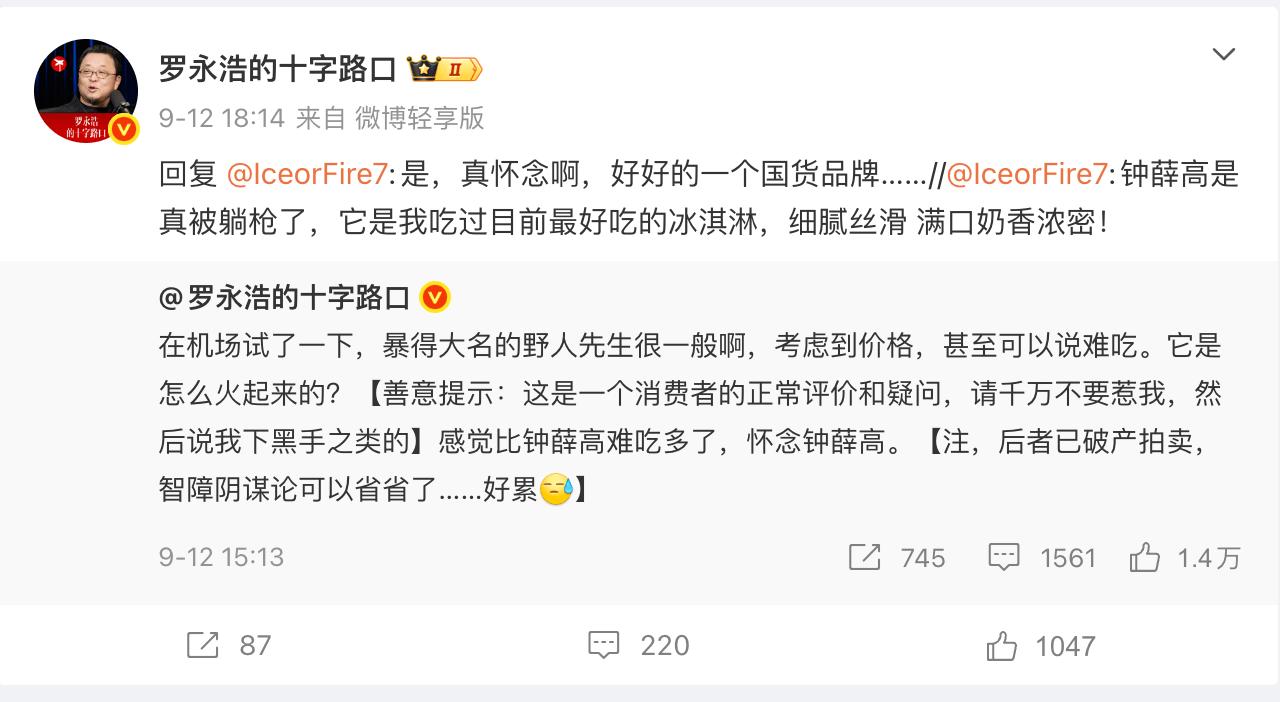
On September 12, 2026, Luo Yonghao posted on Weibo about his experience tasting Yeah Gelato, an brand with more than 1,300 stores nationwide now, at an airport. He described it as “very average” and, given its high price, bluntly remarked that it could “even be called bad-tasting.”
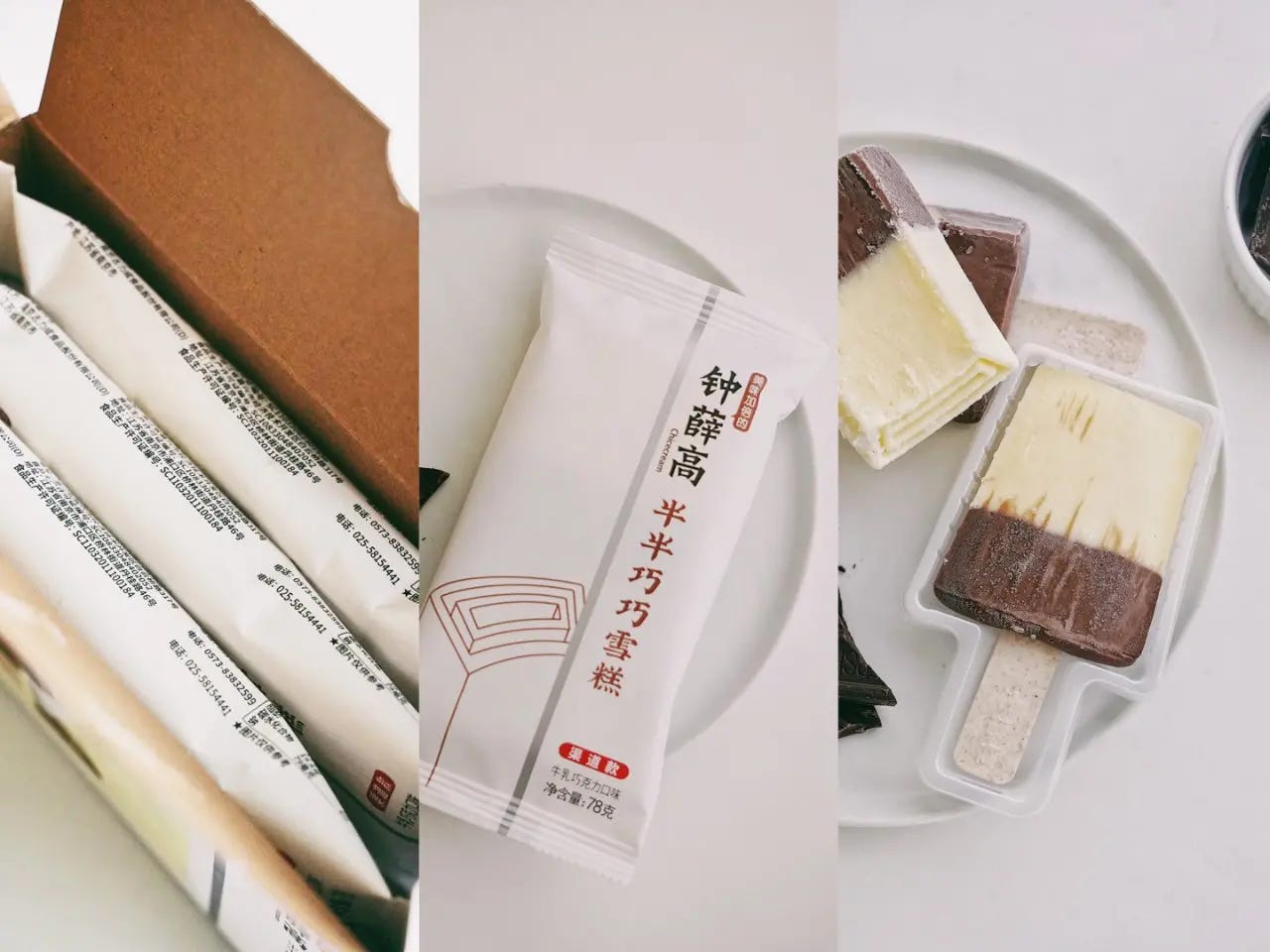
He even compared Yeah Gelato with Zhong Xuegao 钟薛高, an ice cream brand that has been widely rejected by consumers, saying that “Yeah Gelato was nowhere near as good as Zhong Xuegao.”
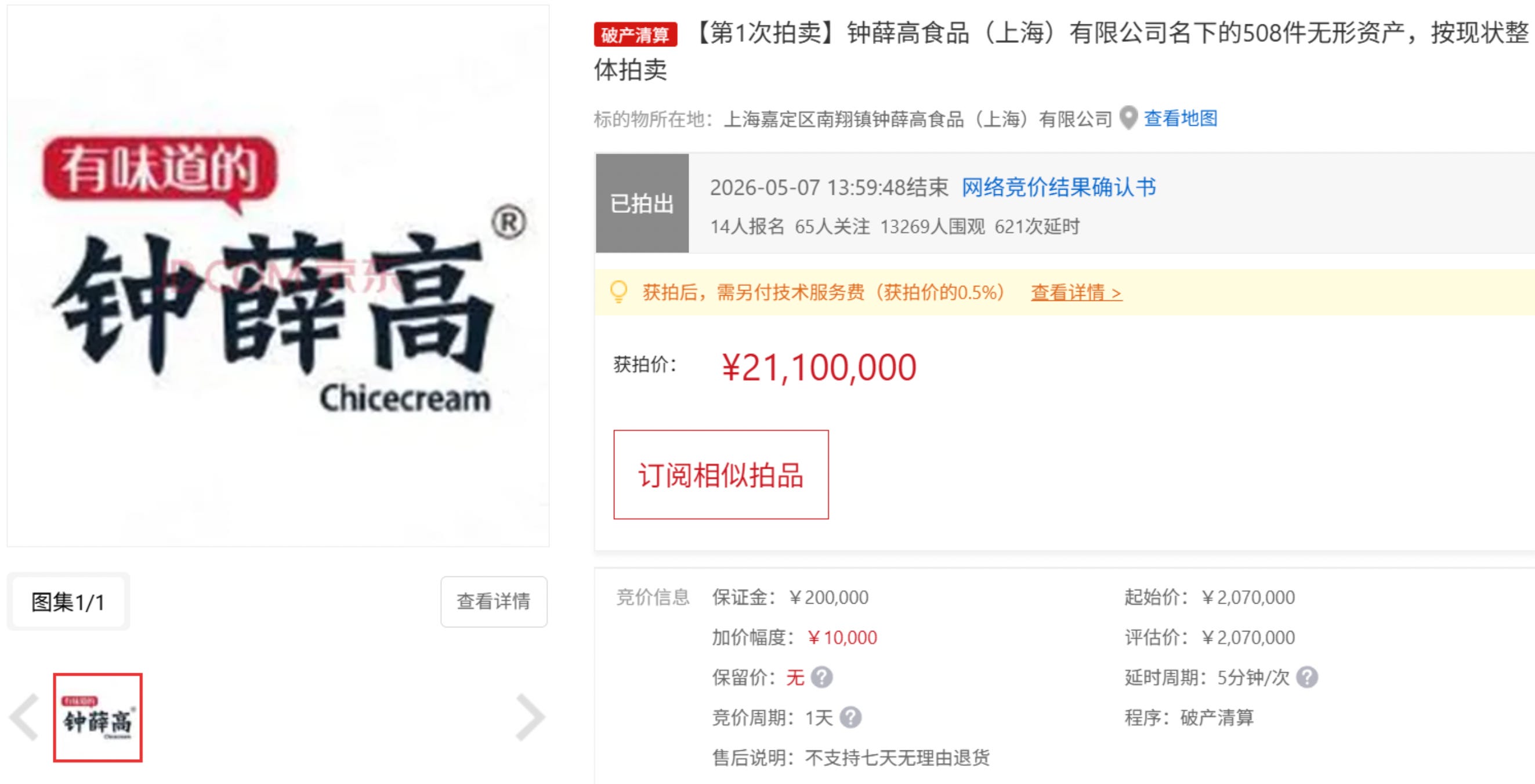
PS - Zhong Xuegao is a brand that was boycotted by Chinese consumers over controversies surrounding its ingredients and its high prices. Although its intangible assets were recently acquired by a new buyer seeking to revive the brand, Zhong Xuegao has yet to restore its reputation.
Needless to say, brands targeted by Luo often often find themselves under considerable pressure. Xibei 西贝, for example, was previously drawn into a controversy over pre-made dishes. After losing the public debate with Luo, the consequences were severe enough to damage both the brand’s credibility and the founder’s reputation.
Yeah Gelato, however, has handled the latest controversy with considerable restraint. It chose a way of “complete non-response”, a deliberate “cold treatment” stratrgy. This approach appears to reflect the lessons of the Xibei controversy: when the law offers no clear-cut answer, a brand should avoid turning a subjective dispute over product quality into a public confrontation or a moral battle.
Although public opinion was polarized at the beginning, it soon began to shift in Yeah Gelato’s favor.
Why?
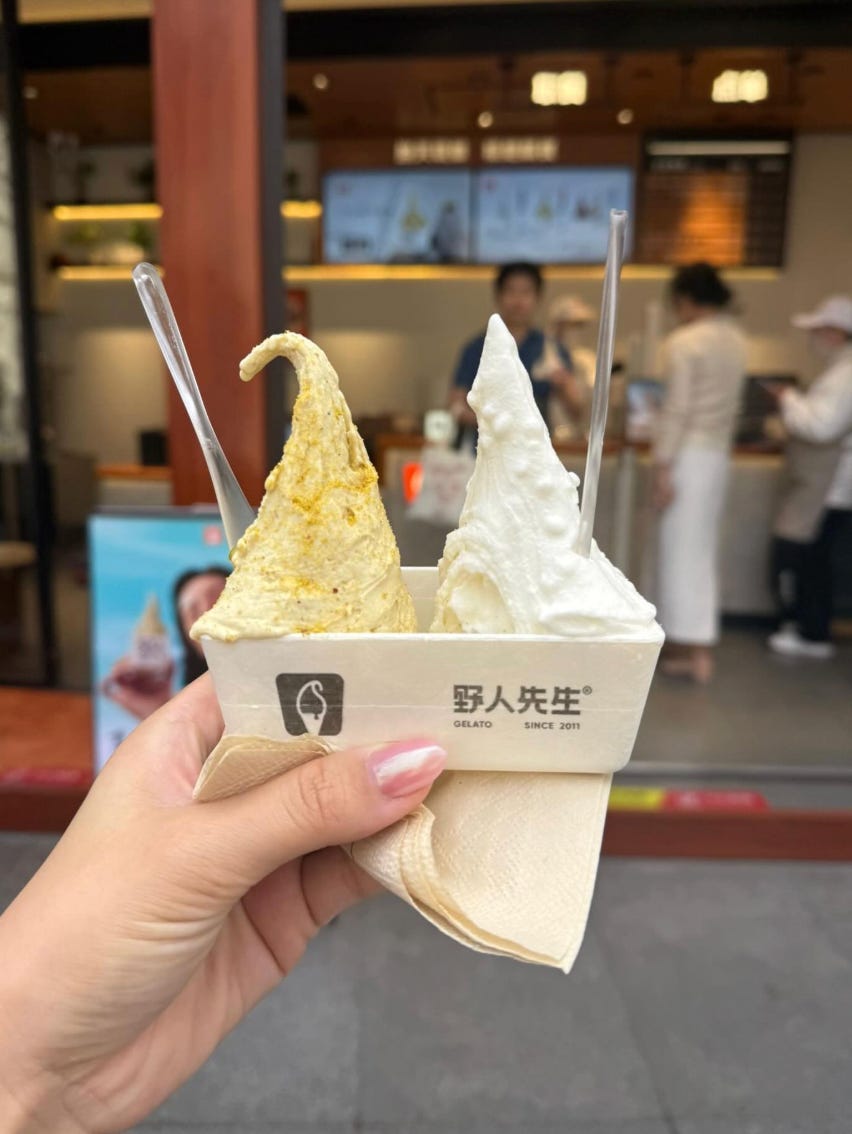
Because — Luo’s criticism not only sparked online discussion; it also prompted many consumers to visit Yeah Gelato stores and try the products for themselves. After the grounded test, public sentiment has gradually shifted in the brand’s favor. More and more people have come out in support of Yeah Gelato, with many consumers saying that its products are generally good and that certain flavors—especially rice and pistachio—are particularly impressive.
Of course—a deeper analysis suggests that this shift toward publicly supporting the brand cannot be attributed solely to the brand’s “hands-off” response. Maintaining silence may have prevented the controversy from escalating or being misinterpreted, but it could not, by itself, have turned public opinion around.
That shift must also be understood in light of some other factors.
First, Luo chose an unreasonable basis — Zhongxuegao — for comparison. Quite apart from whether it is fair to compare ice cream with gelato directly, Zhong Xuegao is a brand that many consumers have, at least for the time being, rejected. Thus, Luo’s attempt to portray Yeah Gelato as inferior by comparing it with Zhong Xuegao failed to generate widespread resonation.
P.S. — to be clear, I have always supported Zhong Xuegao. Regardless of the difficult period the brand has gone through, I see its products are highly innovative, ambitious, and consistently excellent in quality.
Second, the broad argument about whether the Yeah Gelato was “good” or “bad” in general was arguably too one-sided, and Luo seems not to have conducted sufficient market research.
Within the whole gelato sector, Yeah Gelato may not be the best-tasting brand, but among chains of such large-scale, I’d say it is extremely competitive. Moreover, Yeah Gelato was among the early brands to bring down the price of gelato. Value for money is actually their core advantage.
All in all, Yeah Gelato’s overall performance is quite ok - Luo’s criticism this time have failed to resonate with the public and came across as more of a personal opinion.
Clearly - when a brand’s products and services remain highly competitive within their category, Luo’s personal exacting standards are unlikely to cause any substantial harm to the brand.
So far, the controversy is still unfolding, and it remains unclear whether Luo will respond or launch a counterattack to defend his position. But my guess is that he probably won’t — His Weibo posts give me the impression that — he may not want to fight back as he already raised a broader question in order to defend his right to express his views—rather than fixating on Yeah Gelato anymore.
In the end,
From a more inclusive perspective, this kind of debate can ultimately benefit both Chinese brands and consumers eventually.
This episode highlights the constructive side of the role played by a major influencer. By helping consumers overcome the “prisoner’s dilemma,” Luo can encourage people to voice their experiences and promote greater transparency.
At the same time, brands that genuinely deliver strong products and experiences do not need to worry excessively about public criticism. False accusations will ultimately be judged fairly.