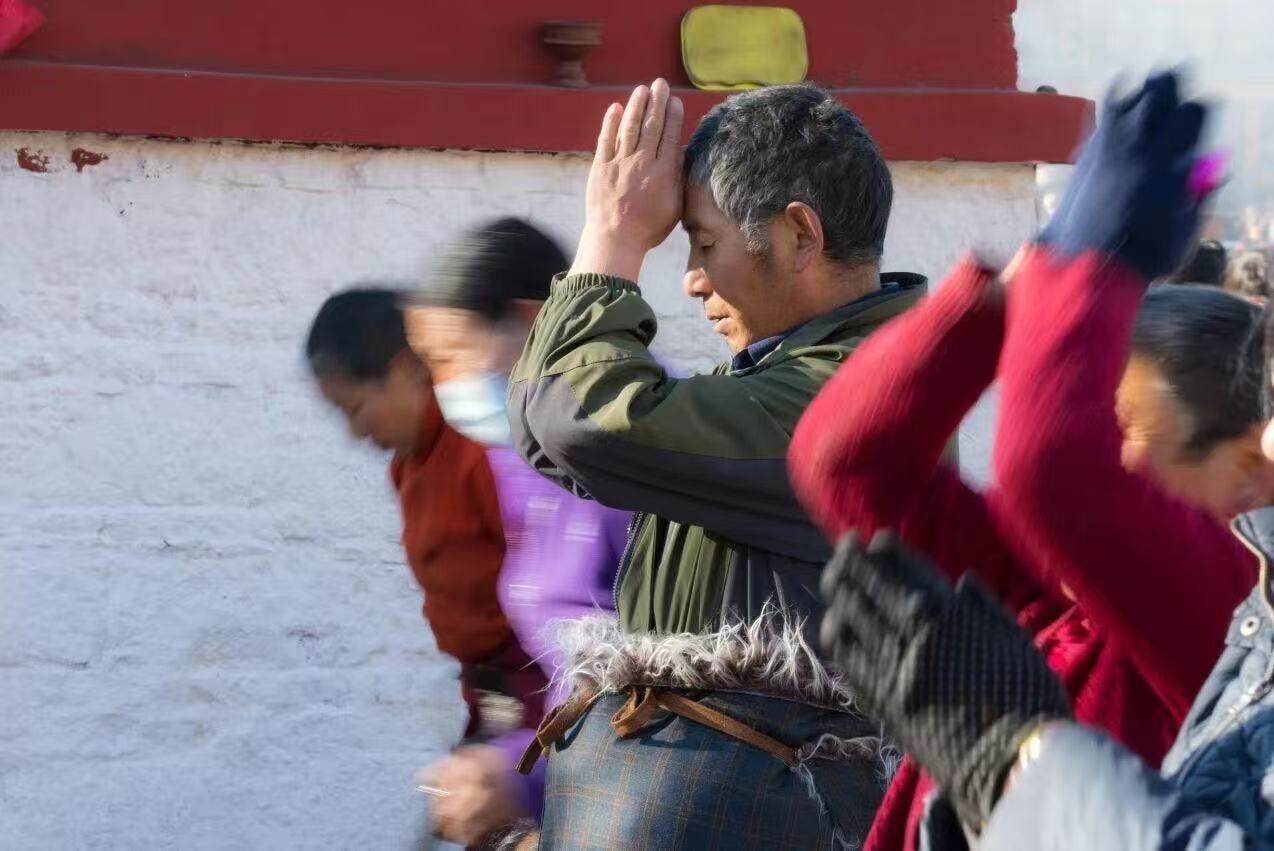
Songtsam’s 松赞 first hotel began with a piece of family homestead land.
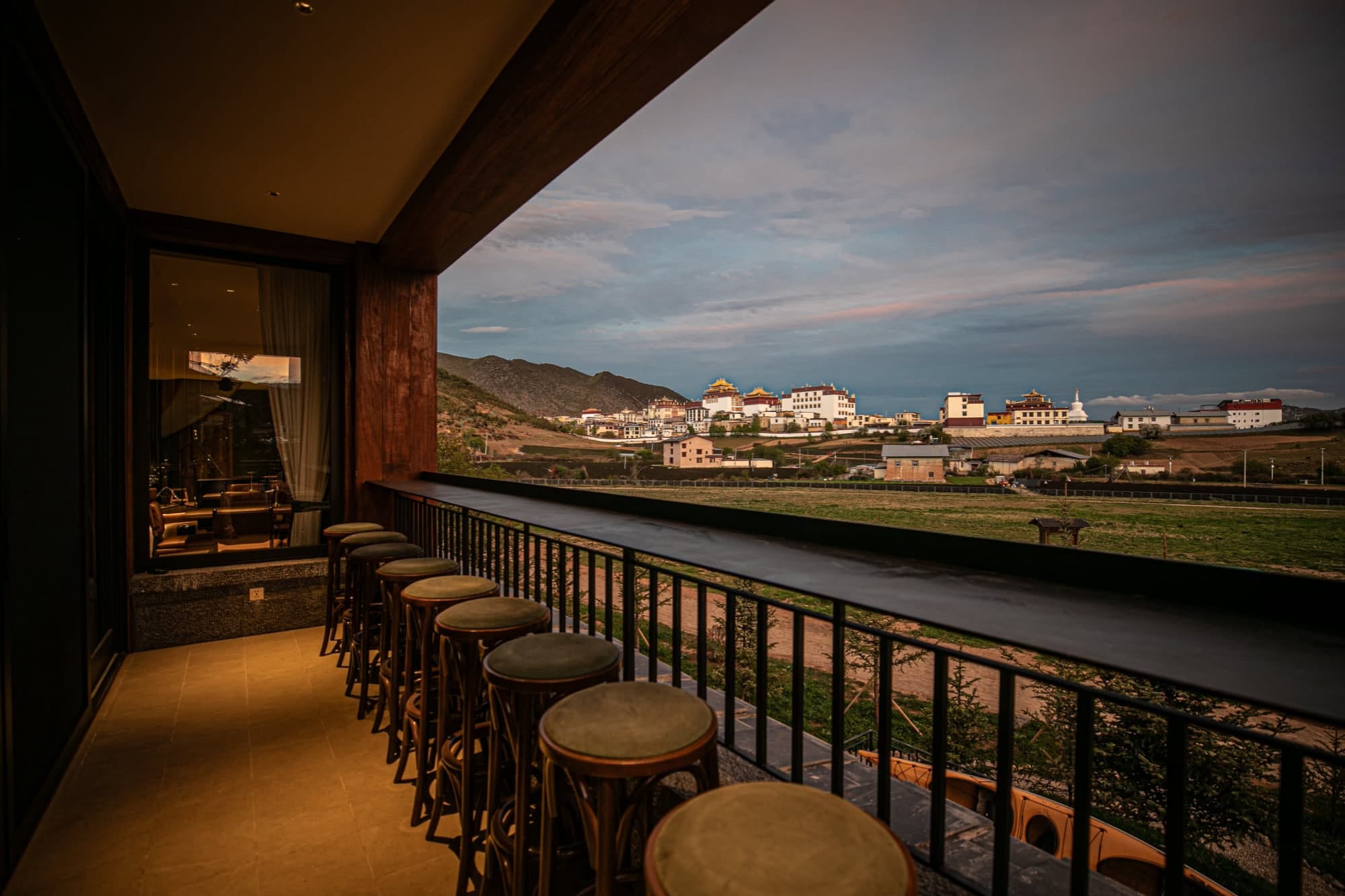
In the early 2000s, the founder - Baima Duoji 白玛多吉 - converted his family’s old home in Kena Village, at the foot of Ganden Sumtseling Monastery, into Songtsam Lodge Green Valley. At the time, he had not yet left CCTV, nor did he have a business plan for building a far-reaching travel empire. He had only one simple idea: to introduce more people to Xizang.
Born in Shangri-La, Diqing, Yunnan—a region shaped by Xizang culture on the eastern edge of the Himalayas—Baima spent years making documentaries about life in Xizang, including filming along the Tea Horse Road. The experience shaped his belief that the journey itself should be at the heart of Songtsam, with each lodge serving as a stop along the way. That vision eventually took shape as a route from Pu’er in Yunnan to Lhasa, linking mountain villages, landscapes, and local cultures.
Now, Songtsam has grown without pursuing scale for its own sake and now has just over 20 properties. It has evolved from a small lodge collection into a distinctive travel brand rooted in Xizang culture.
National Geographic Traveler called it “China’s most unique hidden-luxury hotel,” Tripadvisor has listed it for nine consecutive years among “China’s 25 Best Small Hotel Brands,” and it has also been included in Tatler’s “101 Best Hotels in the World” and the Condé Nast Traveler Gold List.
What led to the founding of Songtsam?
Baima Duoji
The original motivation behind Songtsam was much the same as my reason for joining CCTV: to introduce more people to Xizang—the land, the people, and the culture here. I thought travel might be the best and most direct way to share and experience it.
At the time, some colleagues would come back from places in Xizang and say that everything there was wonderful except for the terrible accommodation. I heard this so often that I began to feel I owed them something. That was part of what prompted me to build a hotel.
But the idea behind Songtsam went beyond providing a place to stay. Through our hotels, we create travel routes across the region, bringing boutique lodges to one mountain village after another. I hope to connect these places into routes and, ultimately, make them an earthly navel leading to Shambhala.
Ofc — the Tea Horse Road remains the core of what we do, but our travel network and cultural footprint now reach across the broader Himalayan region.
At a time when many businesses were pursuing scale and traffic, why did Songtsam choose to grow slowly?
Baima Duoji:
We move slowly, one step at a time. Given that pace, we have already made good progress. We know that moving too fast can lead to problems.
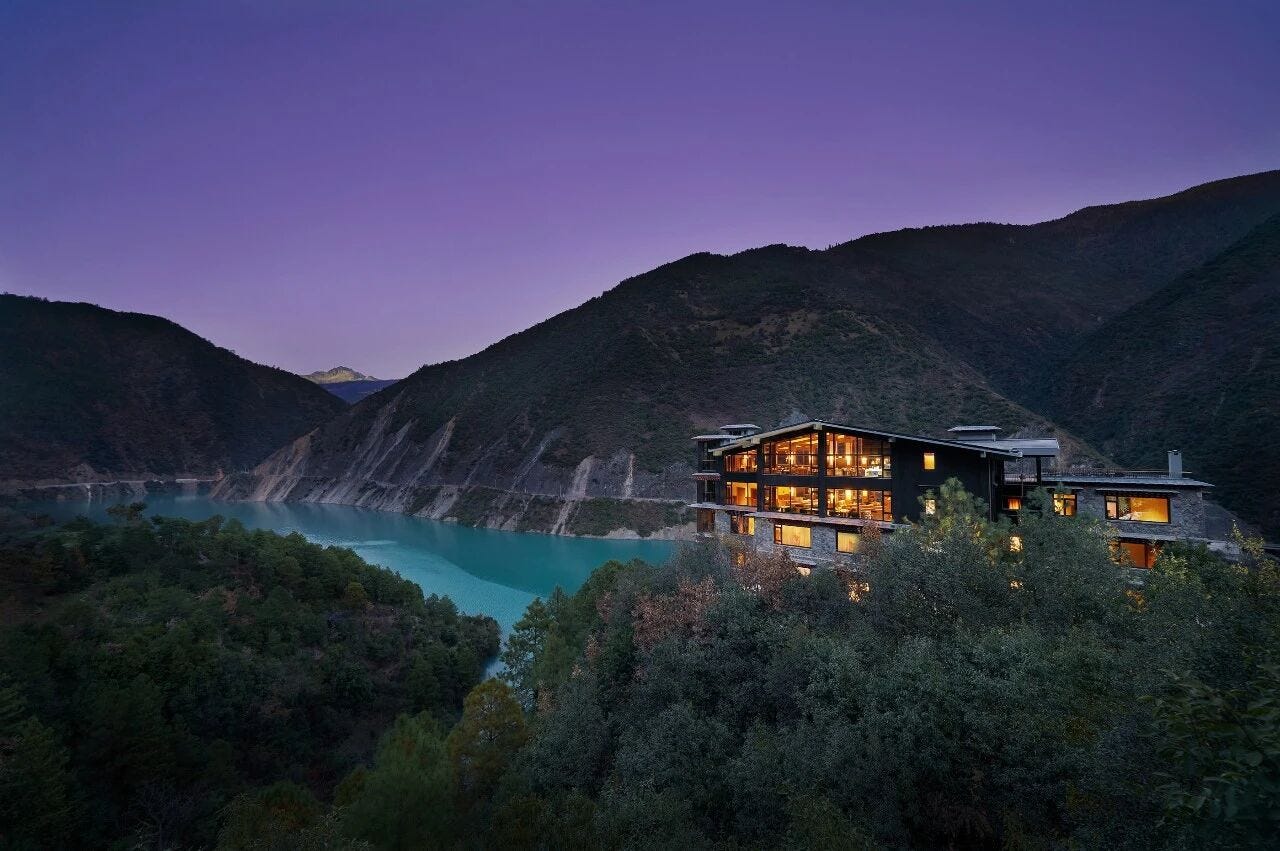
Songtsam’s core offering is the journey itself, with our hotels serving as waystations along the route. We want to create journeys along the Tea Horse Road. Because infrastructure along much of the route is limited, we have to build hotels to support the journey. They are nestled in the folds of the mountains, amid some of the region’s most beautiful landscapes. When a hotel is built because the route calls for one there, expansion is guided not by capital, but by the route’s development.
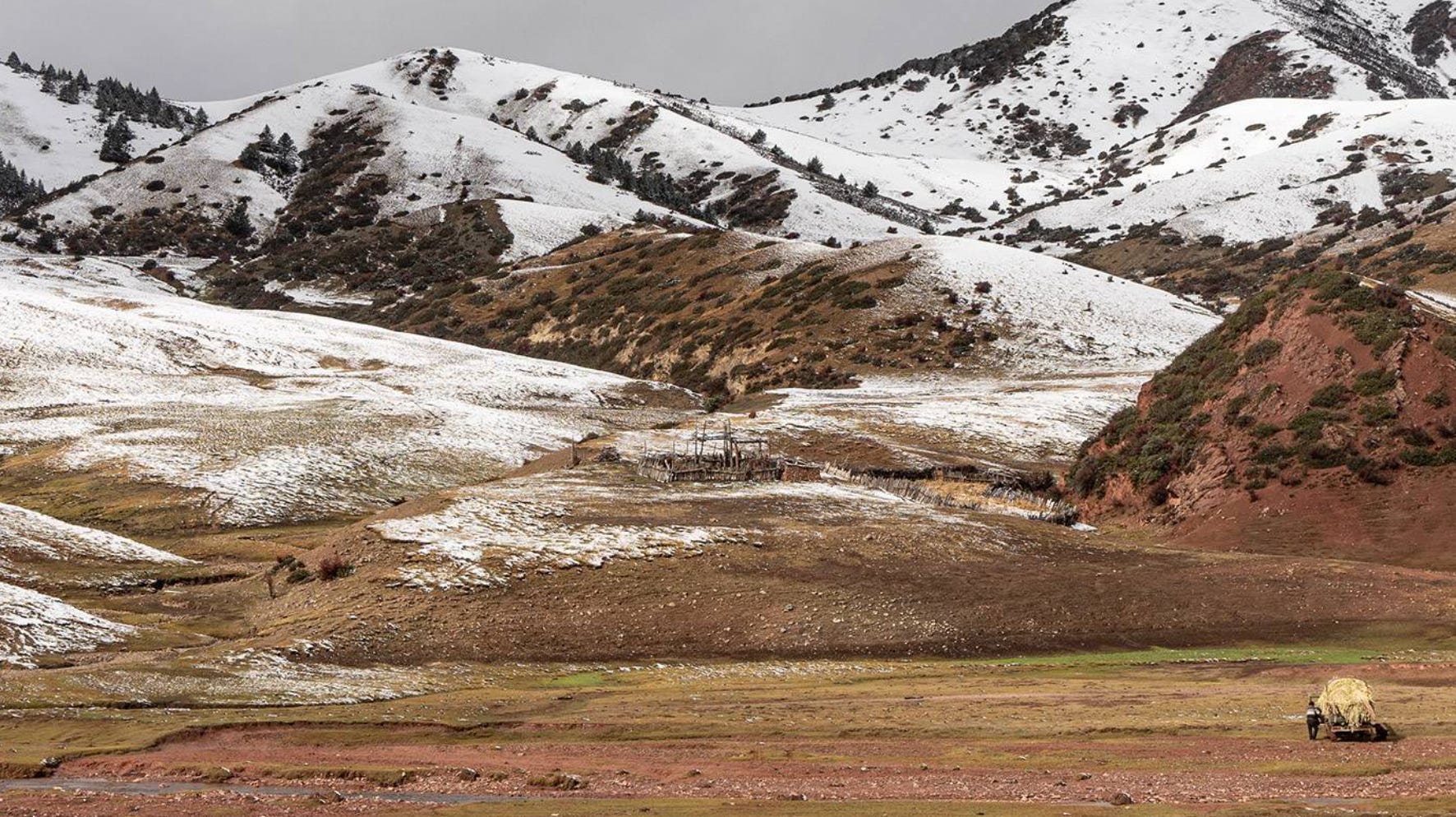
We often say we want to do the hardest things in the most troublesome places. Trouble itself has a kind of attraction. Take Lha Gu Lodge. It sits at 4,200 meters, built into a cliff. The room modules were prefabricated in Shanghai and had to be routed through Qinghai and Lhasa because the usual road could not carry them. I chose the site after walking more than 30 kilometers past the point where most travelers would have stopped, because I did not want to put guests somewhere that felt like “a small pond by the road.” The building itself is tucked into a slope so that it never rises above the village rooflines. Or take Basum Tso Linka: site selected in 2015, opened in 2023. Eight years. Over that period, I traveled the route more than fifty times before I could even stay in decent staff accommodation along the way.
I began identifying sites along the Yunnan–Xizang route and submitting proposals to the government in early 2015, one step at a time. I have seven projects along the route. Between 2015 and 2018, only two were completed. Four were still going through the approval process, and the land-use procedures alone had already taken more than three years.
These are not delays in spite of the business. They are the business. A hotel can be financed and built quickly. A route—with every stop in the right place, every village able to support it, every access road actually passable—cannot.
For Songtsam, however, the journey is about more than the pace of expansion. It is also about helping guests discover the places and communities along the way.
What is at the heart of Songtsam’s storytelling?
Baima Duoji:
The vast landscapes of Xizang are a miracle of this planet. Over the years, I have sought to tell the story of this land through different perspectives and creative approaches, so that more people can experience Xizang culture and appreciate its beauty.
Songtsam aims to build a bridge that brings more people closer to Xizang — to help them understand the region and discover the depth of its culture. Our story is not primarily about what Songtsam has done. It is about the land itself: its mountains, its villages, and the people who live in them. The way they make a living, live their lives, and see the world is part of the very fabric of this land.
Every Songtsam guest room has a window, and every window frames a painting — a mountain village set within the landscape. The window is the architecture; the painting is the scenery; and the village is where the story truly comes into focus. Songtsam steps back, like a frame around a picture, allowing the land and its people to take center stage.
How should we understand Songtsam’s “Hidden Door” slogan?
Baima Duoji
Without Songtsam, the places where our lodges and Linkas are located would be difficult to reach. They are also home to some of the region’s most important landscapes and cultural heritage. That is why our slogan is “Hidden Door.”
The door is “hidden” not because anyone has deliberately concealed it, but because before Songtsam built roads into these places, most people did not know it was there. I hope guests who choose Songtsam will find inspiration: they can discover how people in these places pursue and understand happiness, take the key to the hidden door, and find a steadier source of happiness.
Describe Songtsam in one sentence.
Baima Duoji:
A home away from home for our guests. We are not simply running hotels; we are actually a travel and cultral platform - creating a meaningful home for people far from their own. “Home” here does not refer to a particular style or a sense of simplicity. It speaks to an unadorned relationship—with the land, with culture, and with our guests. What does it mean to create a home for people far from home? It means peace and quiet rather than bustle, with a touch of the dreamlike.