

I’ve been quite busy recently and haven’t been updating this blog as often as I’d like. I understand some subscribers may be thinking about leaving, but I hope you’ll consider staying — the story and insights here are not something you can easily find elsewhere.

China now has over 400,000 freshly made tea (new-style tea) shops. From 2025 to March 2026, 120,000 new stores opened and 140,000 shut down. It’s a massive market, but it has clearly entered a phase of brutal internal competition and rapid “upgrading.” In this arena, any brand without real differentiation is destined to be eliminated.
Broadly, the tea brands that are still in a high-growth phase can be grouped into six archetypes:
Super chains (HeyTea, Mixue, ChaGee…)
Innovation labs (Sexy Tea)
Regional culture / unique-origin ingredients (CreaTea 去茶山)
Heavy hand-made operations (Ah Ma Handmade, etc.)
Health-oriented concepts (Naixue and Hun Juice 混果汁)
Tea brands that aggressively borrow from coffee (BASAO, Mamahecha, Alcalcha)
To survive and grow, all of these brands are throwing everything they’ve got at the market. But what is the real driver of growth?
In my view, it always comes back to product. Especially in a capital winter in the consumer sector, a truly distinctive, repeatedly buyable product is the only real foundation for survival. Moreover, milk tea sector has a particular structural challenge: you cannot protect a food or drink product with copyright. That means brands have no choice but to keep innovating – if you stop for a second, you invite elimination 👇
Hey Tea — “Kitchen” Upgrade (Product Quality + Operational Efficiency)
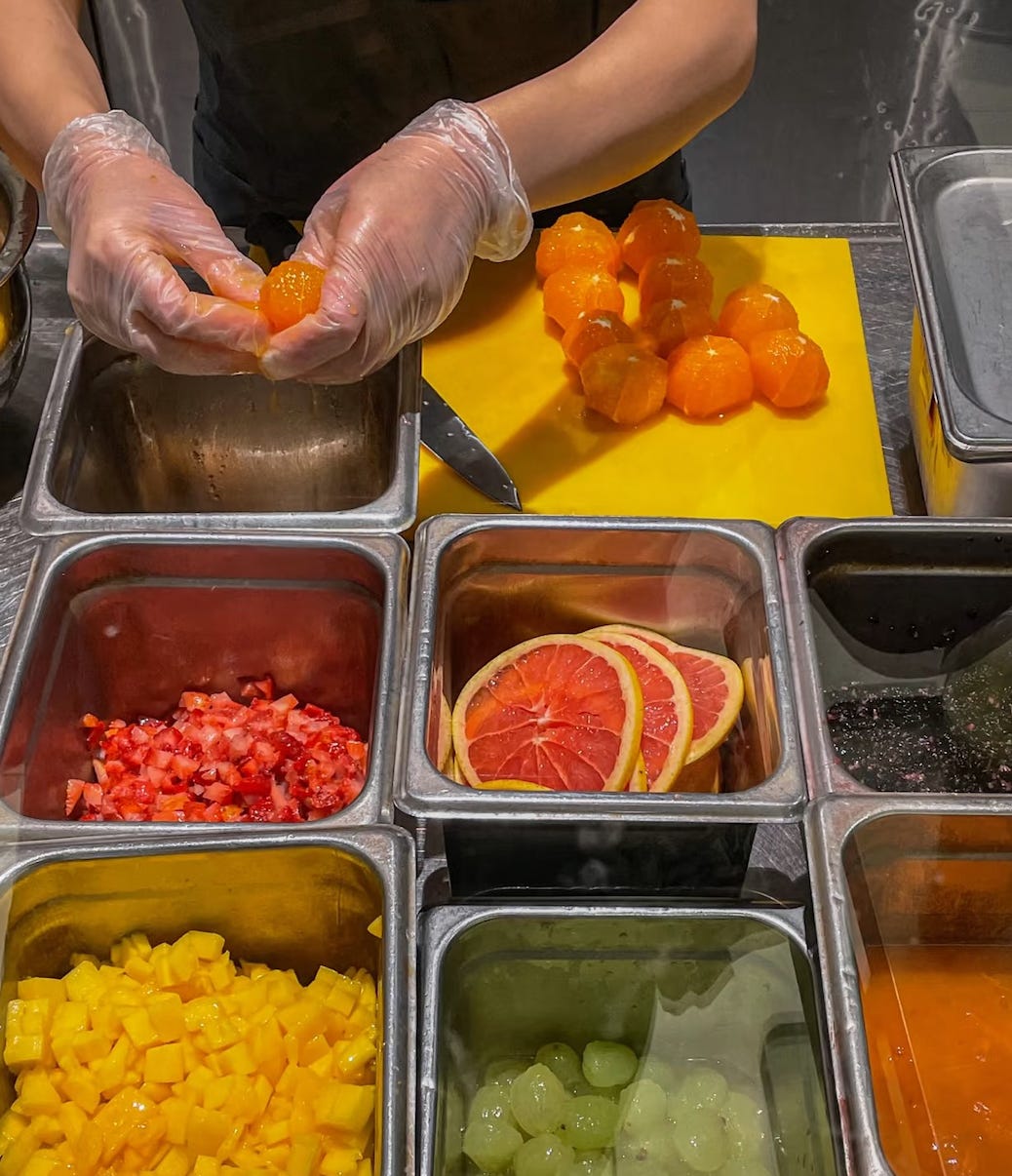
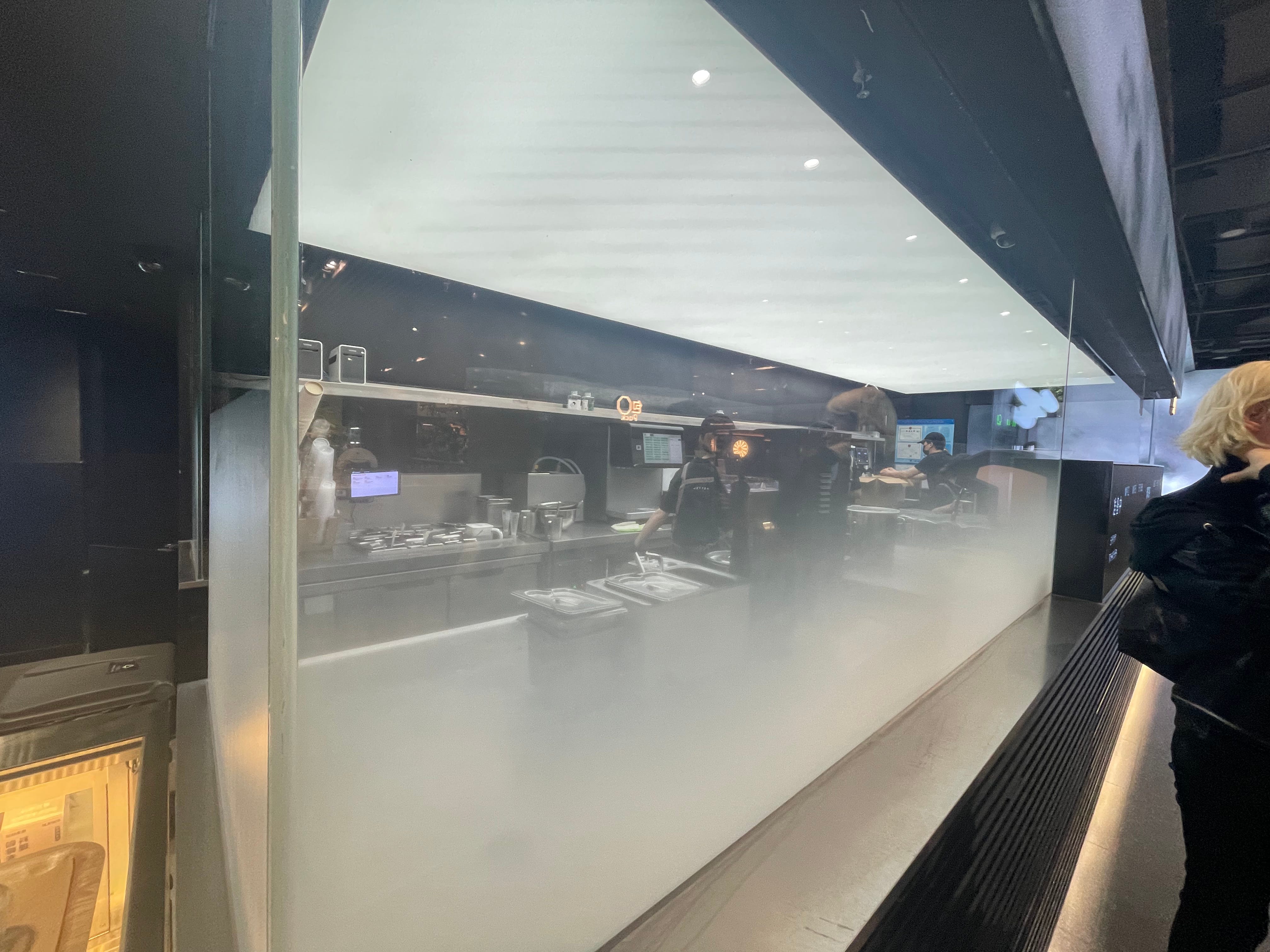
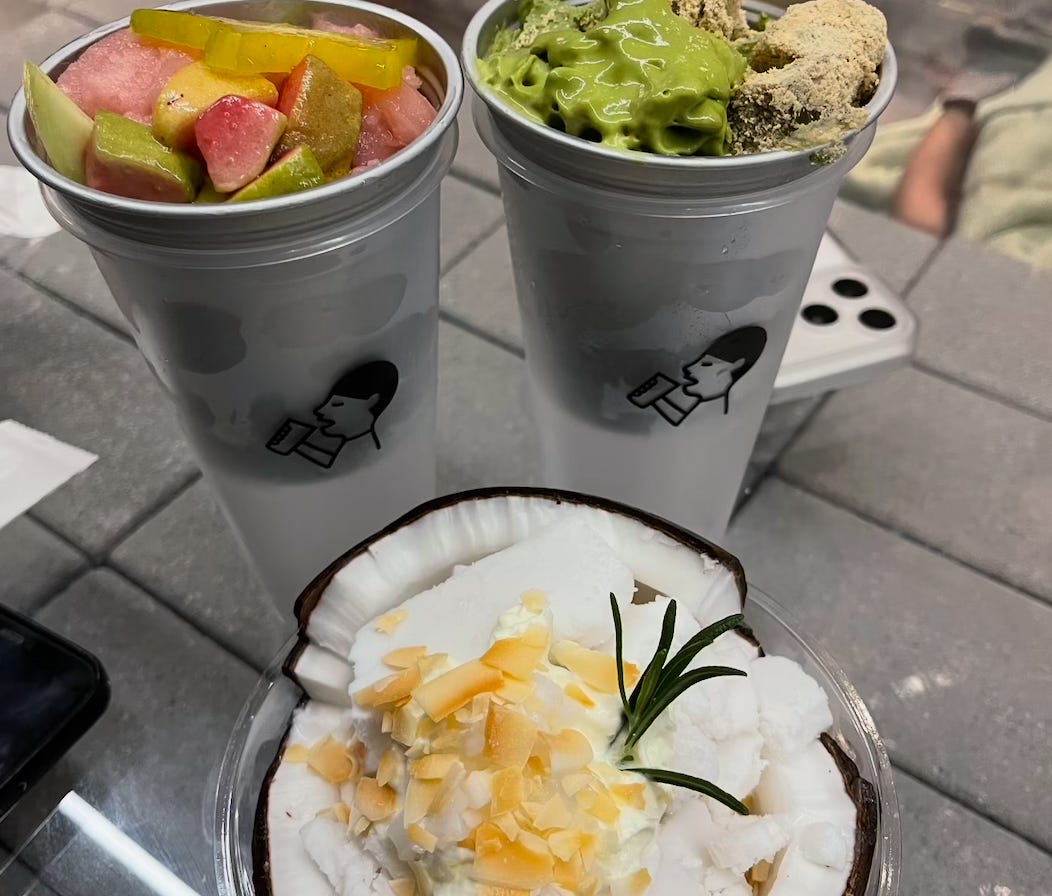
After HeyTea suspended franchising, it systematically upgraded and re-architected its store operations to address the quality degradation caused by over-expansion. Today, HeyTea insists on washing, peeling, and processing fresh fruit on-site in every store, every day, to ensure a genuinely fresh and distinctive flavor profile. This “sincere” way of making tea drinks is gradually winning back consumer trust.
The cost, however, is extreme back-of-house complexity. Different fruits require very different handling flows, and the processes are time-consuming. This places very high demands on kitchen layout, staffing, and management. Without exceptional kitchen design and operational discipline, it’s simply impossible to reconcile “complex, fresh processing” with “fast output at peak hours.”
Mixue — 100% Integrated Core Ingredient Supply Chain + Global Expansion + Multi-Brand Play
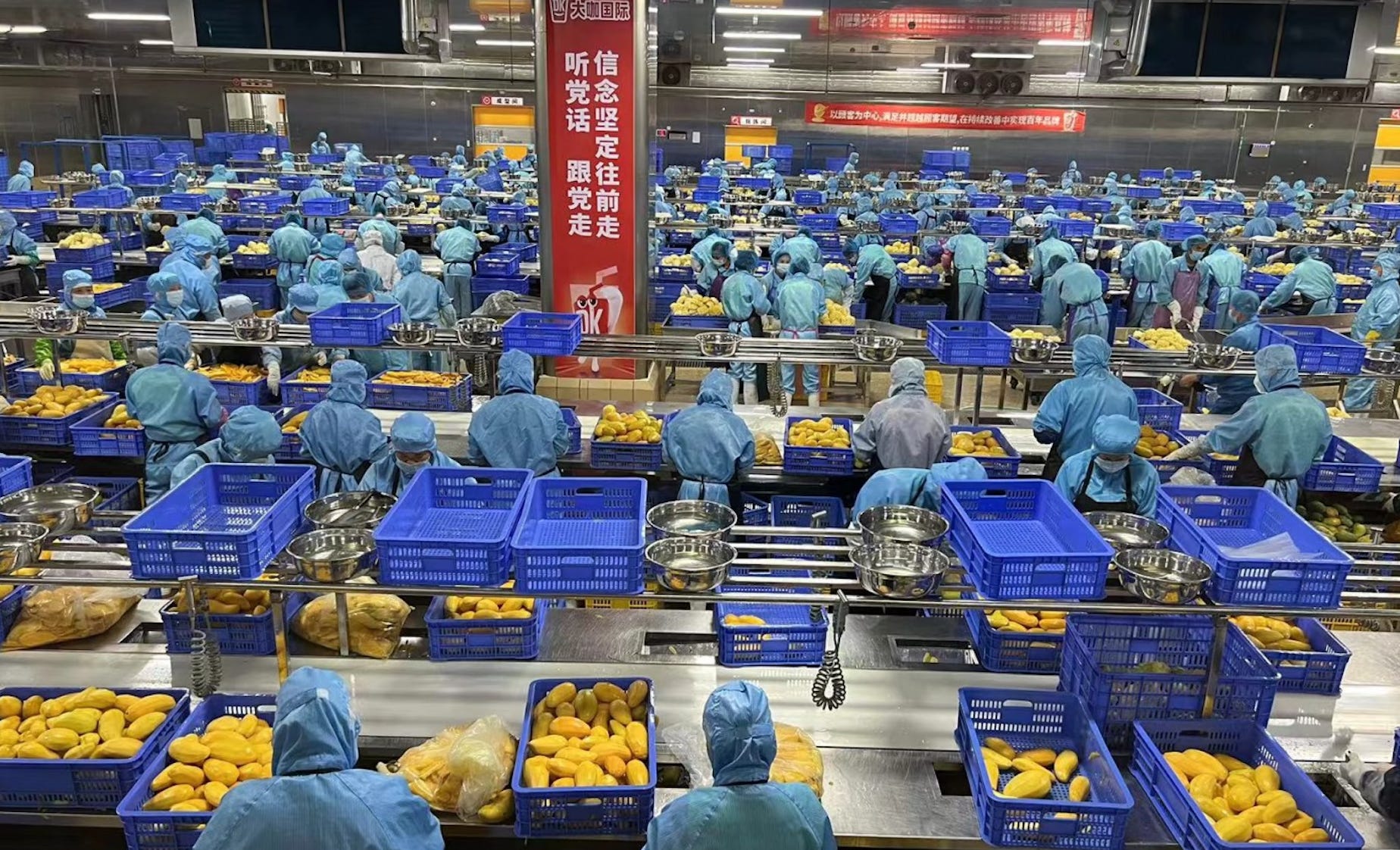
I’ve said this before – and I may have been one of the first to phrase it this way: Mixue is not really a milk-tea company; it is, at heart, a supply-chain company.
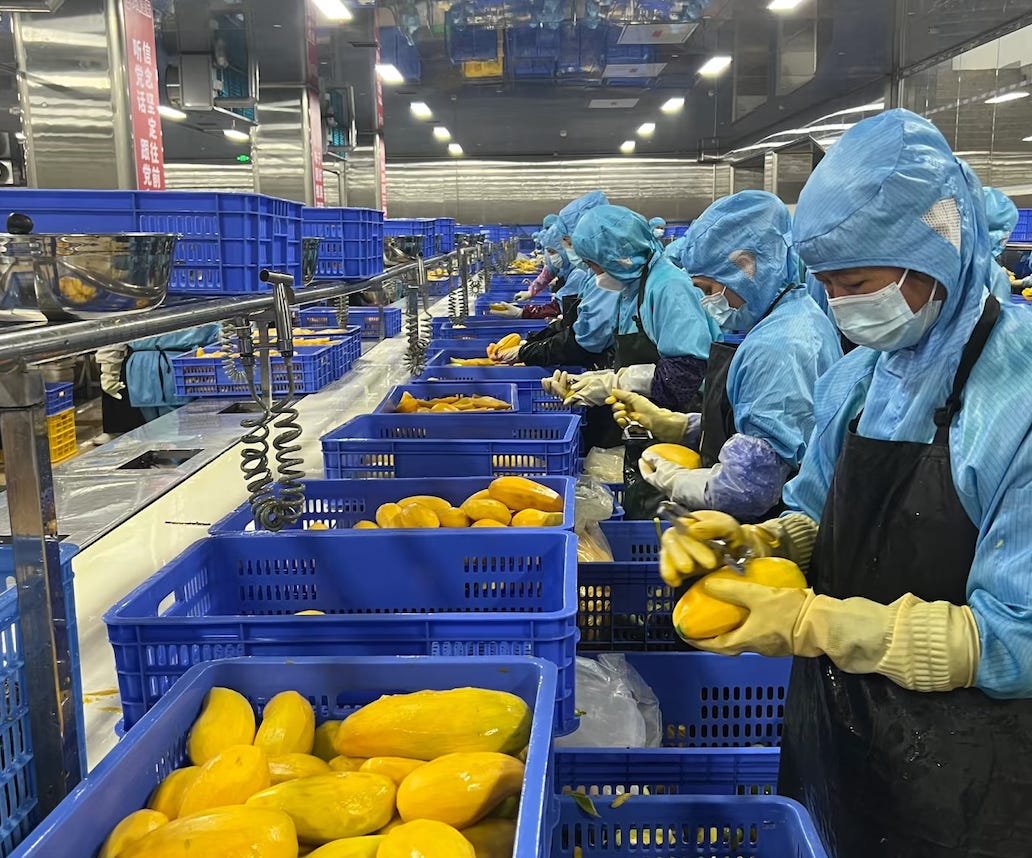
Mixue has built an integrated system that runs from raw materials (core ingredients are self-produced; other materials are procured at massive scale), to processing and warehousing, all the way through to highly efficient store-level turnover.
The key structural difference between Mixue and HeyTea is where complexity sits. HeyTea pushes complexity to the front: fruit is processed fresh in-store. Mixue pulls it to the back: the heavy lifting is done in Mixue’s own factories, while stores focus on standardized assembly and output. This dramatically lowers store-level operational difficulty – and that is one of the core reasons Mixue can open stores at such astonishing speed worldwide, while HeyTea cannot grow at the same pace.
More importantly, Mixue is now executing a multi-brand strategy: extending from tea into coffee and even beer. This is fully consistent with how Mixue has always seen itself – not as a “tea brand,” but as a fresh-made beverage platform. In earlier posts, I pointed out this detail: Mixue’s ambition is to become the world’s largest fresh-beverage company – the offline Coca-Cola, the McDonald’s of drinks – rather than just a “milk tea chain.”
ChaGee — Big Vision + Cultural Capital + A Starbucks-Style Positioning, But Severely Misaligned Product Strength
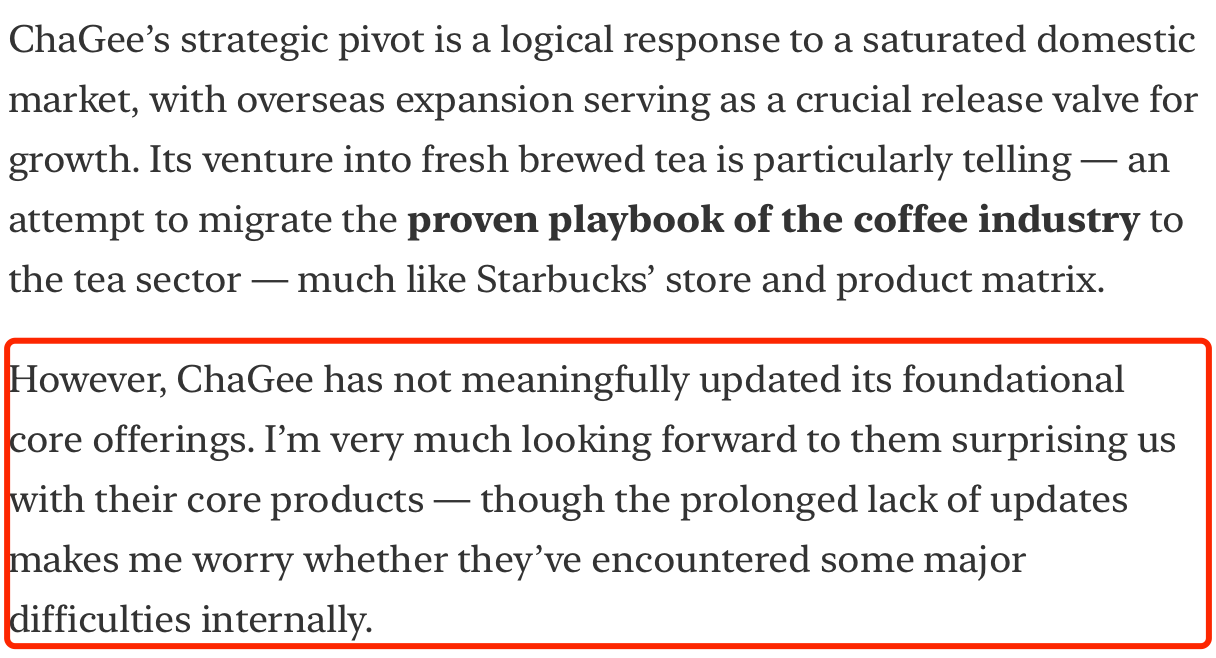
ChaGee’s challenges are extremely visible. As I mentioned in my previous post, in an intensely competitive domestic tea market, its products are not particularly strong, while its direct and indirect competitors are very, very capable.
The founder seems deeply enamored with grand narratives and “model innovation,” but shows a clear lack of depth and experience in product. The claim that ChaGee “relies too heavily on a few hero SKUs” is really a symptom of a deeper issue: it lacks a systematic capability to generate and mass-produce hit products.
In China, one or two star products are nowhere near enough. You need a repeatable mechanism to create hits over and over if you want to survive multiple cycles. If ChaGee truly tries to run a “outdated Starbucks playbook” – a handful of classics holding up the whole enterprise – in China’s tea market, it’s effectively setting itself up for failure. ( In fact, Starbucks has already gone through its own round of reflection and now clearly recognizes how critical continuous product innovation is in the Chinese market.)
And none of this can be fixed by surface-level PR and beautiful store design – the parts of the story the media like to tell. What the founding team needs is a fundamental reset on three fronts:
Rebuild the business around a real, coherent product system, not only narrative;
Redesign the store model to reflect that product logic, rather than stacking concepts;
Reconfigure the organization and incentives so that the company is structurally committed – and able – to invest in product strength.
Without that, all the grand cultural assets and high-level storytelling will eventually evaporate.
GuMing — Mixue-Level Supply-Chain Strength + HeyTea-Level Product Quality + Possibly the Best Coffee in Milk-Tea Land
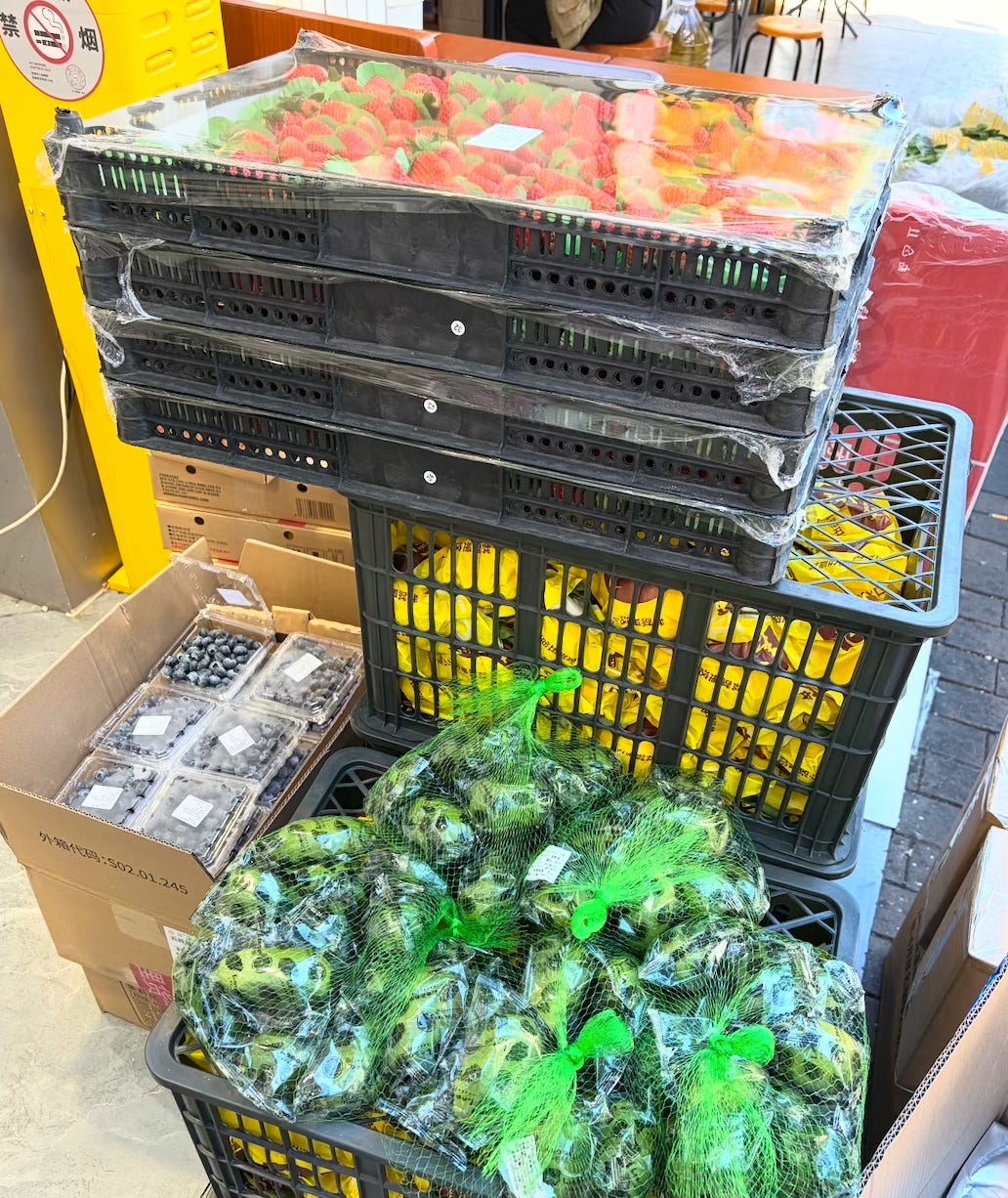
GuMing’s supply-chain capability is second only to Mixue’s. Its self-production ratio in manufacturing is somewhat lower than Mixue’s, but structurally its supply chain is very similar – and it may even have an edge in cold-chain logistics. It operates its own refrigerated fleet, delivering to stores every two days, and in some locations daily, which gives it a very strong “freshness” advantage on ingredients.
On the product side, GuMing is, in many ways, the closest to HeyTea. It has essentially treated HeyTea as a living product library: when HeyTea launches a successful SKU, GuMing will often replicate it, then optimize it into its own version. It is not a particularly original innovator, but it is extremely good at digesting competitors’ ideas, reengineering them, and making them feel like “its own.” In a hyper-competitive market, that is a real capability.
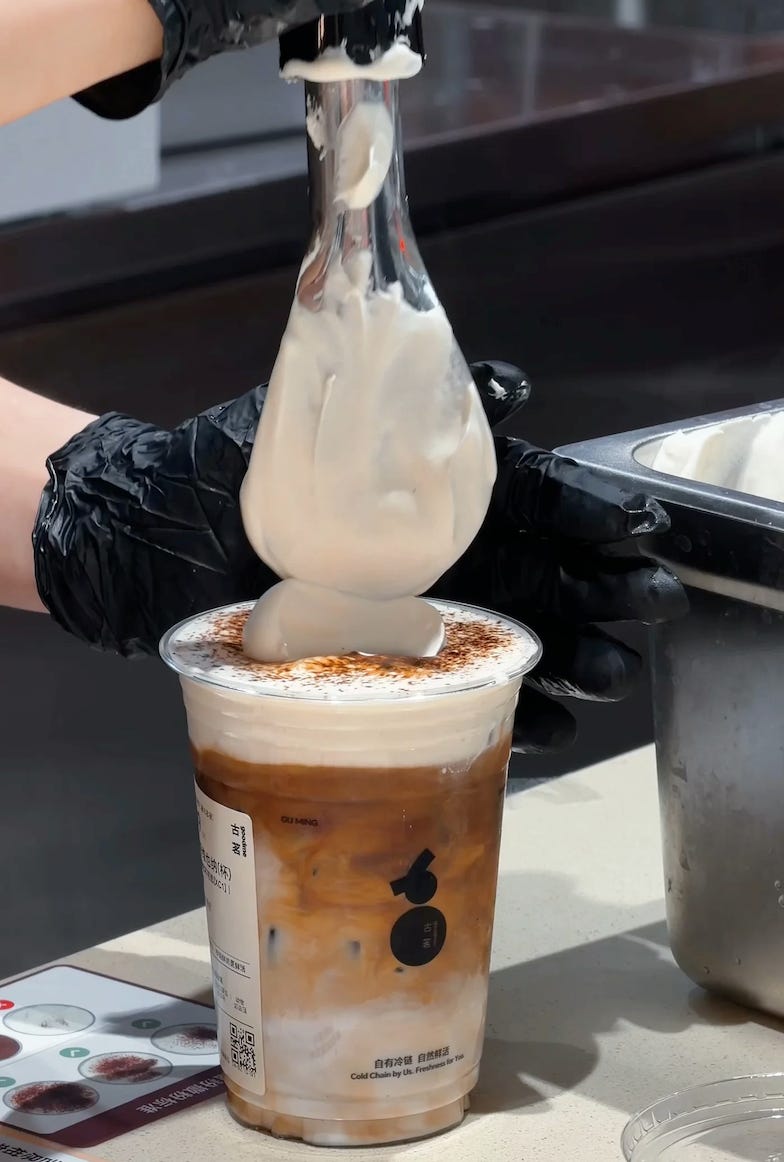
Like most major tea brands, GuMing has also moved into coffee as food-delivery competition heats up. In 2025, GuMing officially launched coffee products, and founder Wang Yunan recently said, “Our track has shifted from milk tea to tea-coffee.” That shift from “we also sell coffee” to “we sell a different kind of coffee” is really about injecting milk-tea supply-chain advantages into coffee, using a deeper understanding of milk and dairy to rework what coffee can be.
Overall, GuMing is very grounded: its own original R&D is not outstanding, but it is extraordinarily good at absorbing competitors’ best ideas and operationalizing them. Turning other people’s strengths into your own competitive system is, in itself, a powerful survival skill.
Naixue — Great Ingredients + “Green” Formulas, But Simply Not Very Tasty
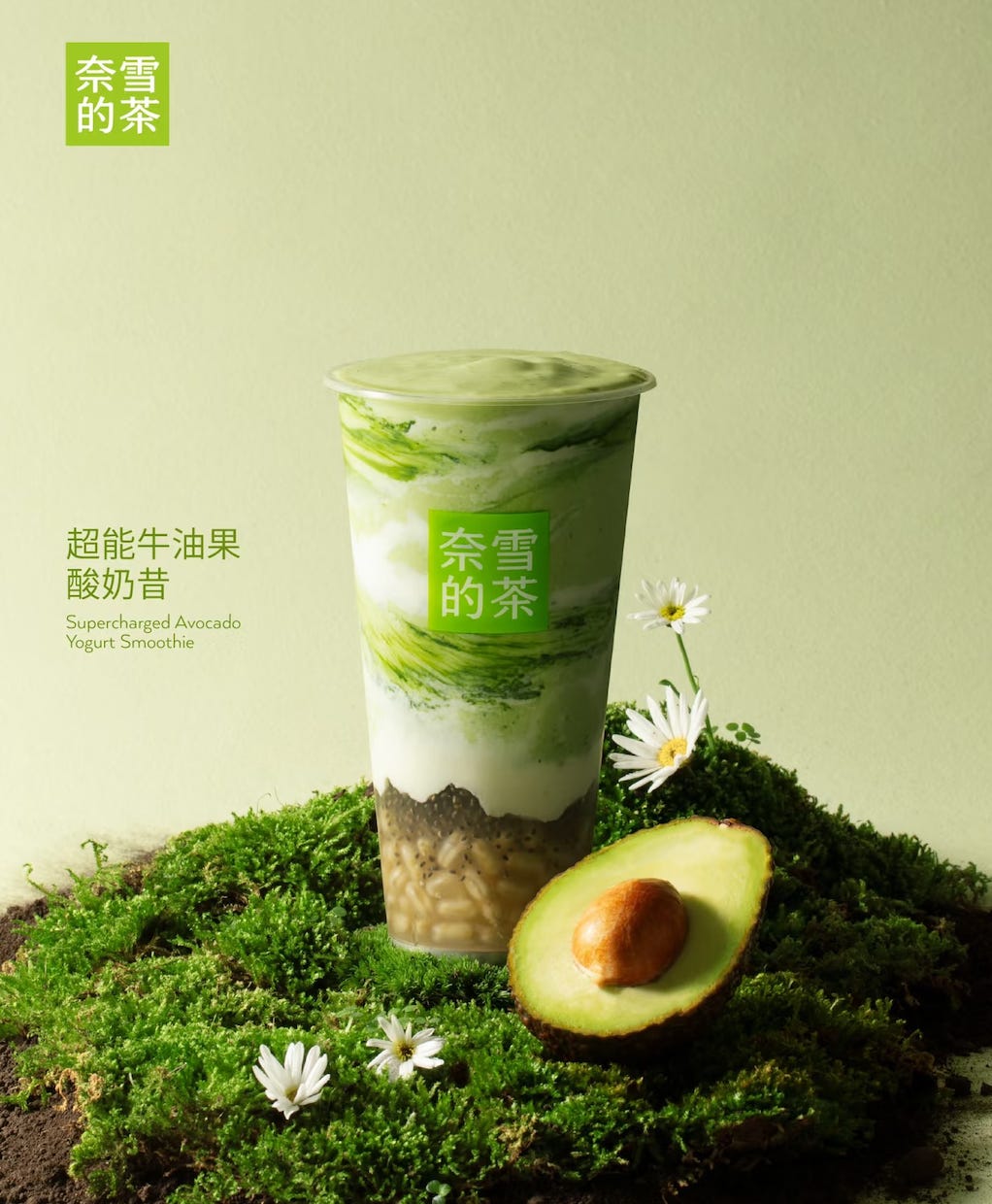
Counterintuitively, if you study Naixue’s supply chain carefully, you’ll find that its ingredient quality is likely among the best in the industry, and its formulas are among the healthiest – almost no syrup, almost no artificial flavoring.
The downside is clear: its health profile significantly outperforms the industry, but its flavor perception lags behind its key competitors. In practice, it’s the “good but not good-tasting” paradox. In a market where consumers’ palates have already been trained by high sugar, high flavorings, and strong sensory stimulation, Naixue’s restrained and “clean” approach loses in head-to-head taste tests, even if it wins on the health dimension.
Ah Ma Handmade (AMH) — High-End, Hand-Crafted, and Operationally Complex Kitchens
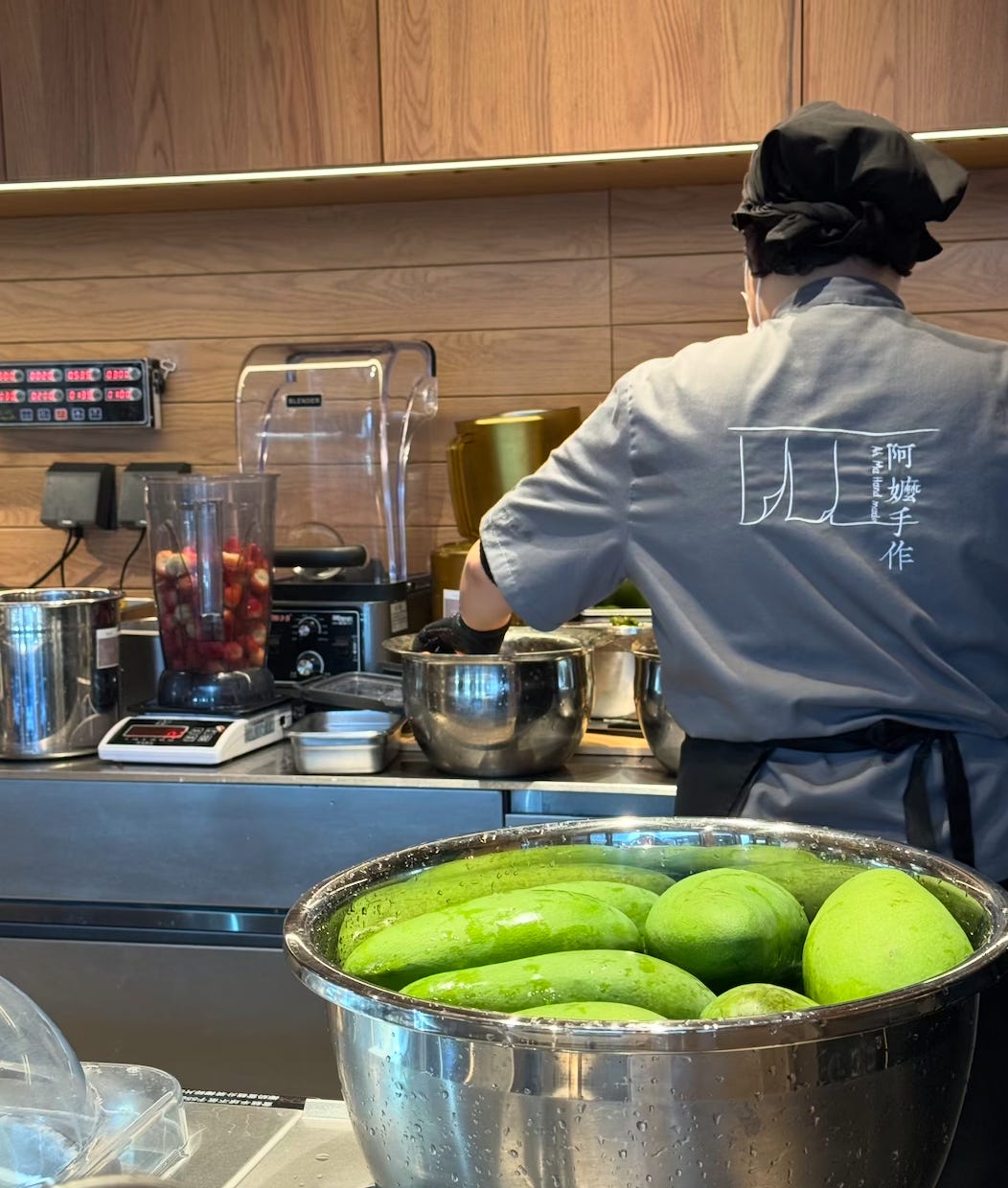
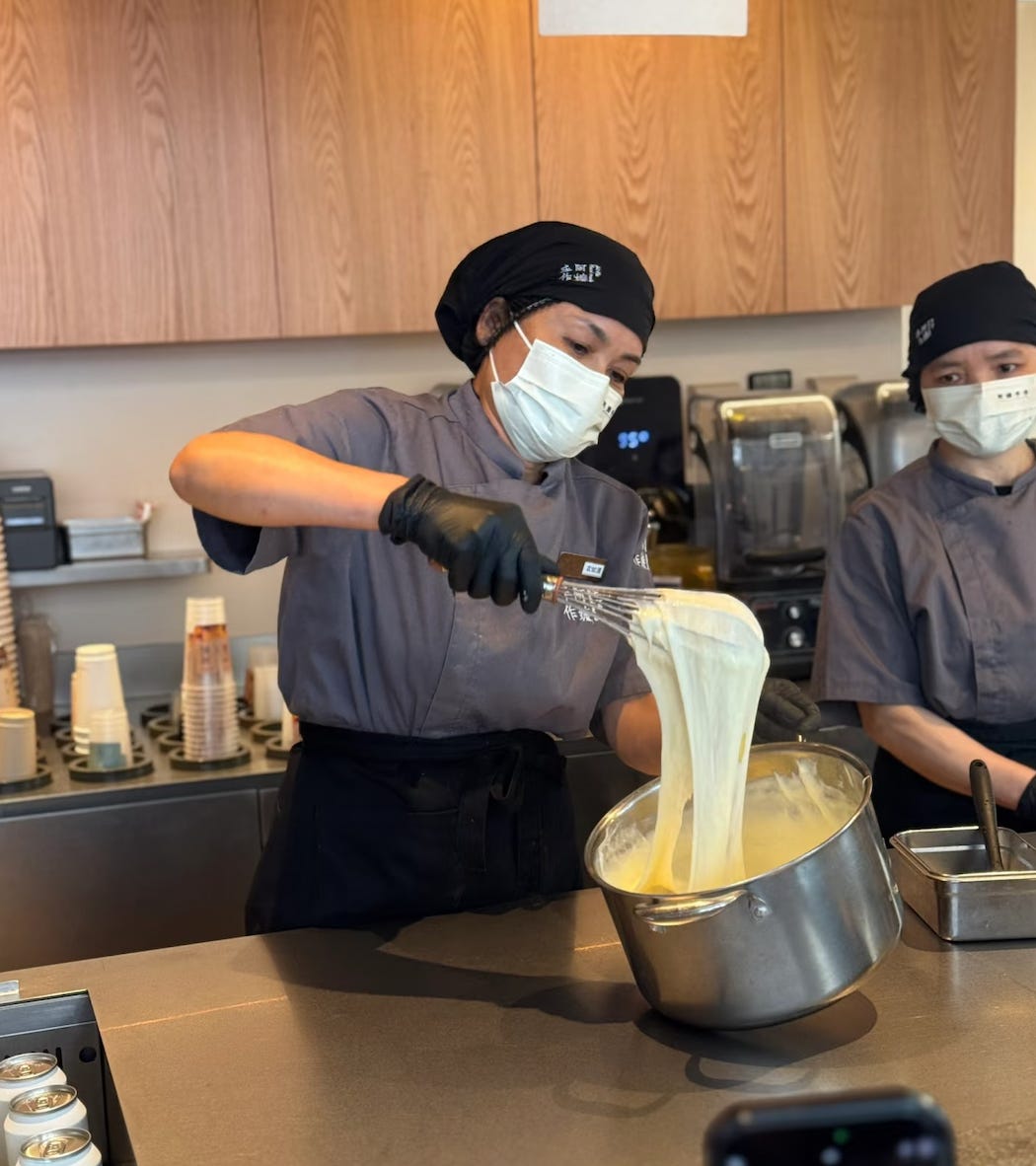
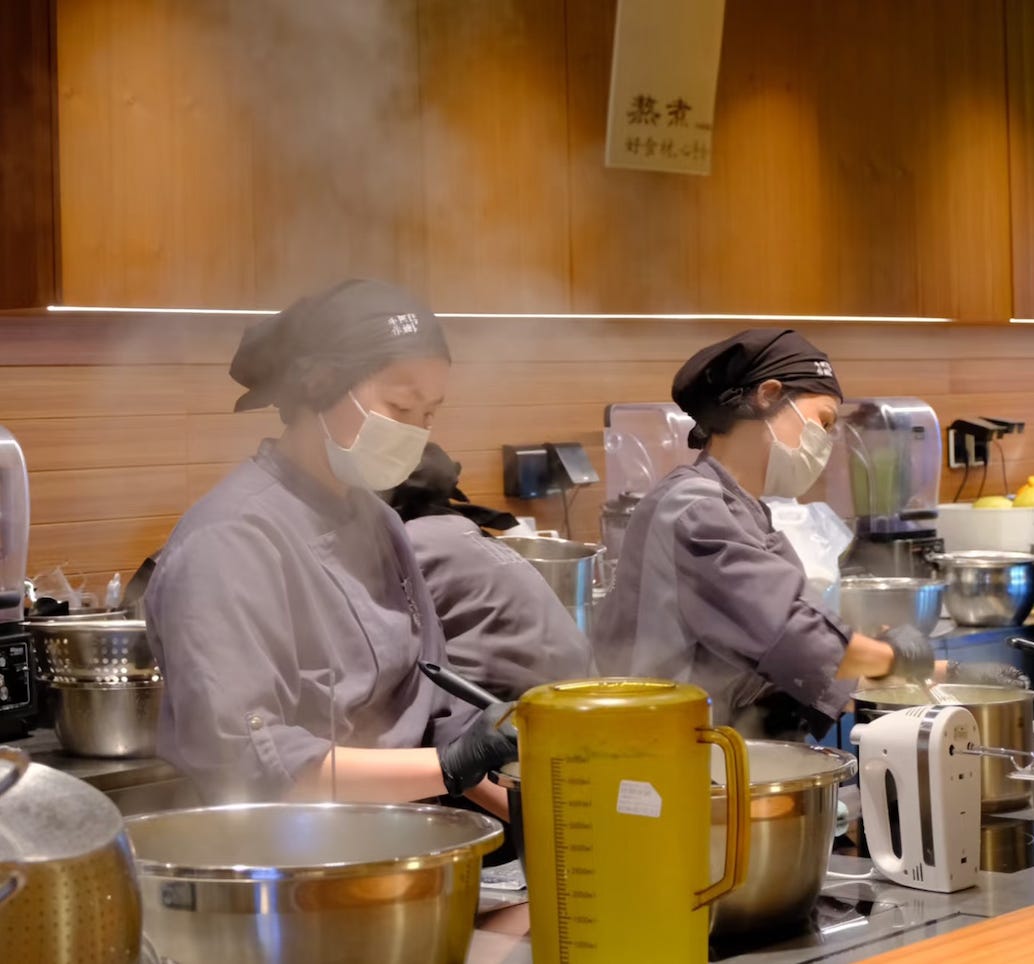
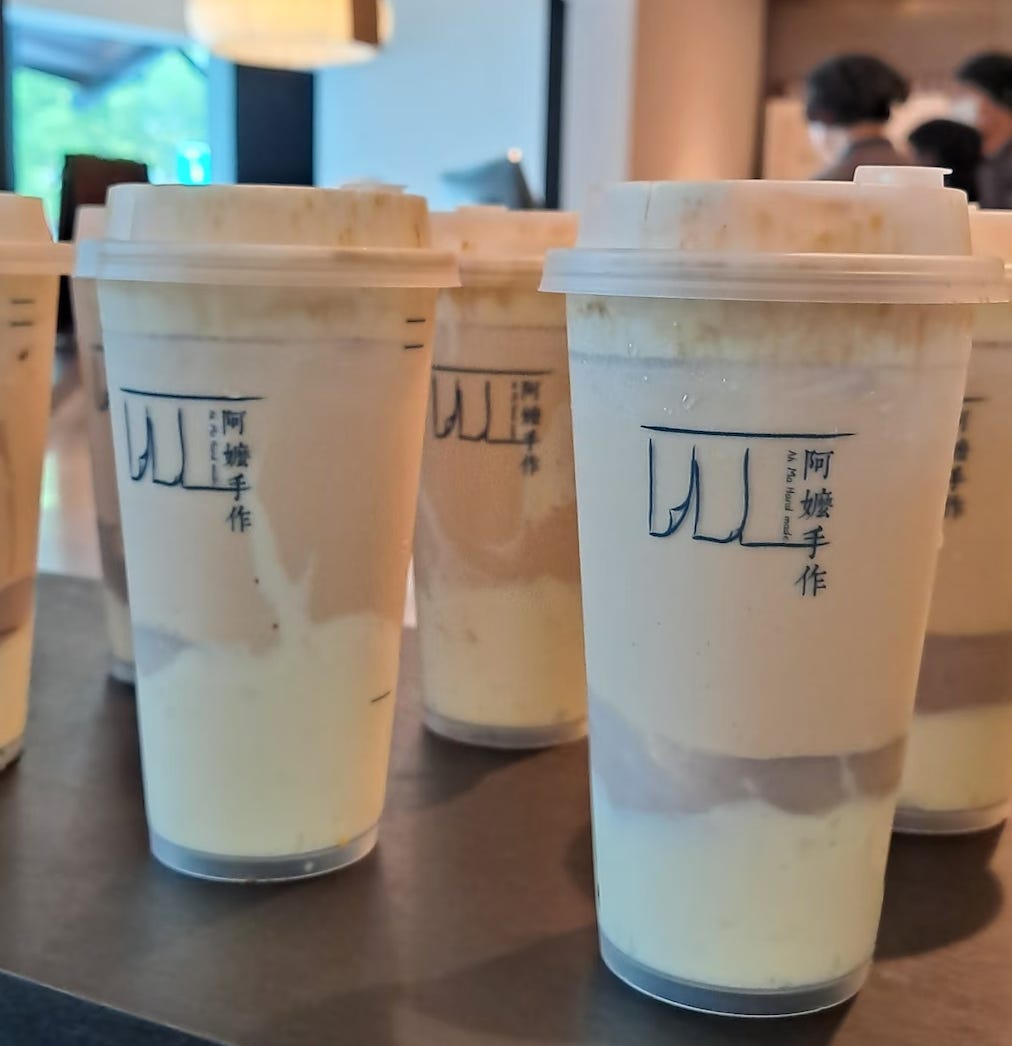
AMH’s “kitchen” model is, quite literally, hard to believe. It is easily an order of magnitude more complex than HeyTea’s. It doesn’t just process fresh fruit on-site; ingredients like taro, ice cream, mochi, and almost every other component you can think of are all freshly sourced and hand-prepared in the store. That leads to extremely high labor costs and a very demanding people-management challenge.
But precisely because AMH is willing to invest in, and relentlessly refine, such a complex operational system, it has built a very high, very hard-to-copy moat in an overcrowded market.
The flip side is structural: this kind of system is inherently difficult to scale. Expansion is slow by design. If store-level sales ever dip below a certain threshold, the weight of that labor cost can crash the business very quickly. That is the core risk of a “high quality + high complexity” model.
Sexy Tea — The Undisputed Product Innovation Lab of China’s Tea Industry
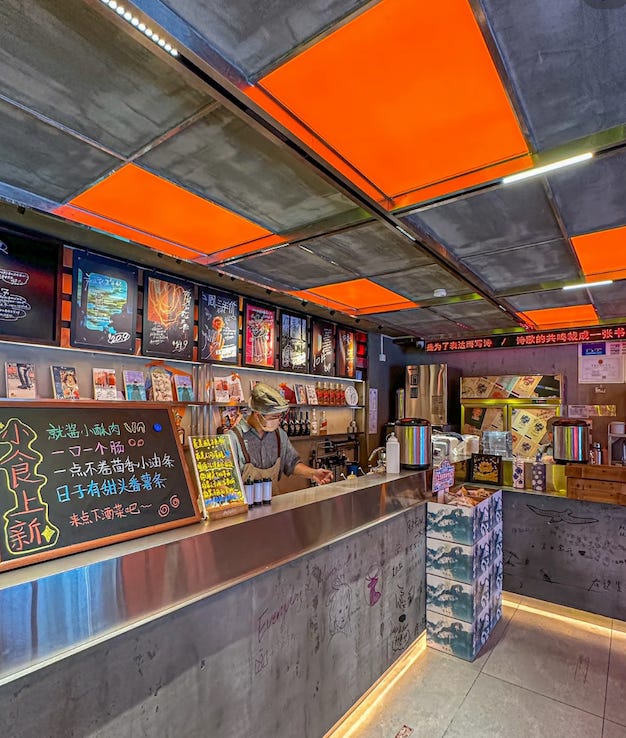
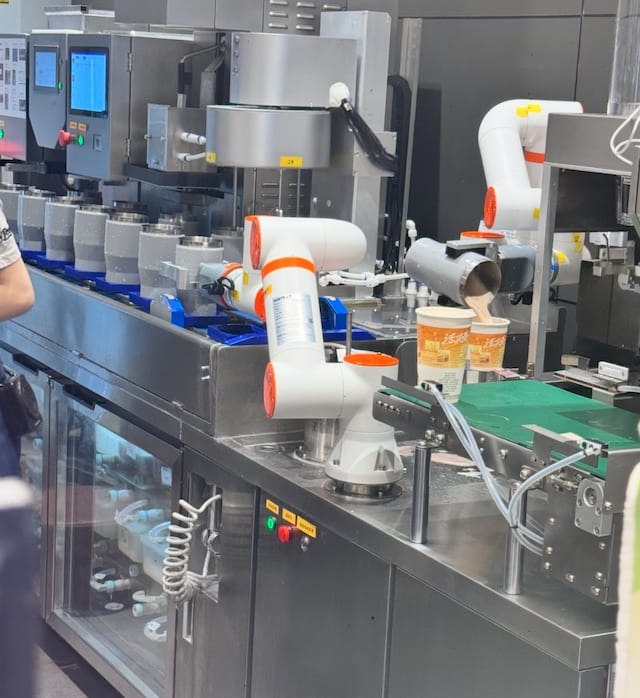
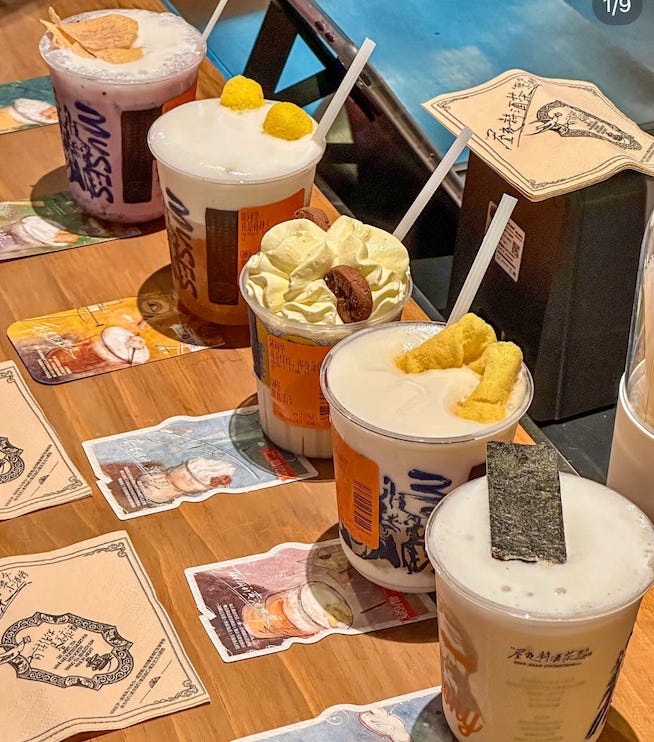
Sexy Tea really needs no introduction: it is the original product innovator in China’s new-style tea segment.
Its pace of product innovation is comparable to Luckin Coffee’s, but what’s more interesting is how it innovates: it likes to redefine categories from first principles. Tea cocktails, tea-coffee hybrids, creative lemon teas, new store formats – these are not just riffs, they’re category experiments. I’ve said this more than once: Sexy Tea is, in practice, the core inspiration source for a large part of the Chinese tea industry. Many “novel” products you see across other brands are, in reality, things Sexy Tea tried first.
Beyond product itself, they’ve even begun experimenting with factory-style automation equipment inside the store to make drinks on site. By doing this, they turn an extremely complex set of procedures into something simple and efficient. If this works, we may soon see the entire industry adopt similar systems.
CreaTea 去茶山 — A “Water Brand” from Guizhou
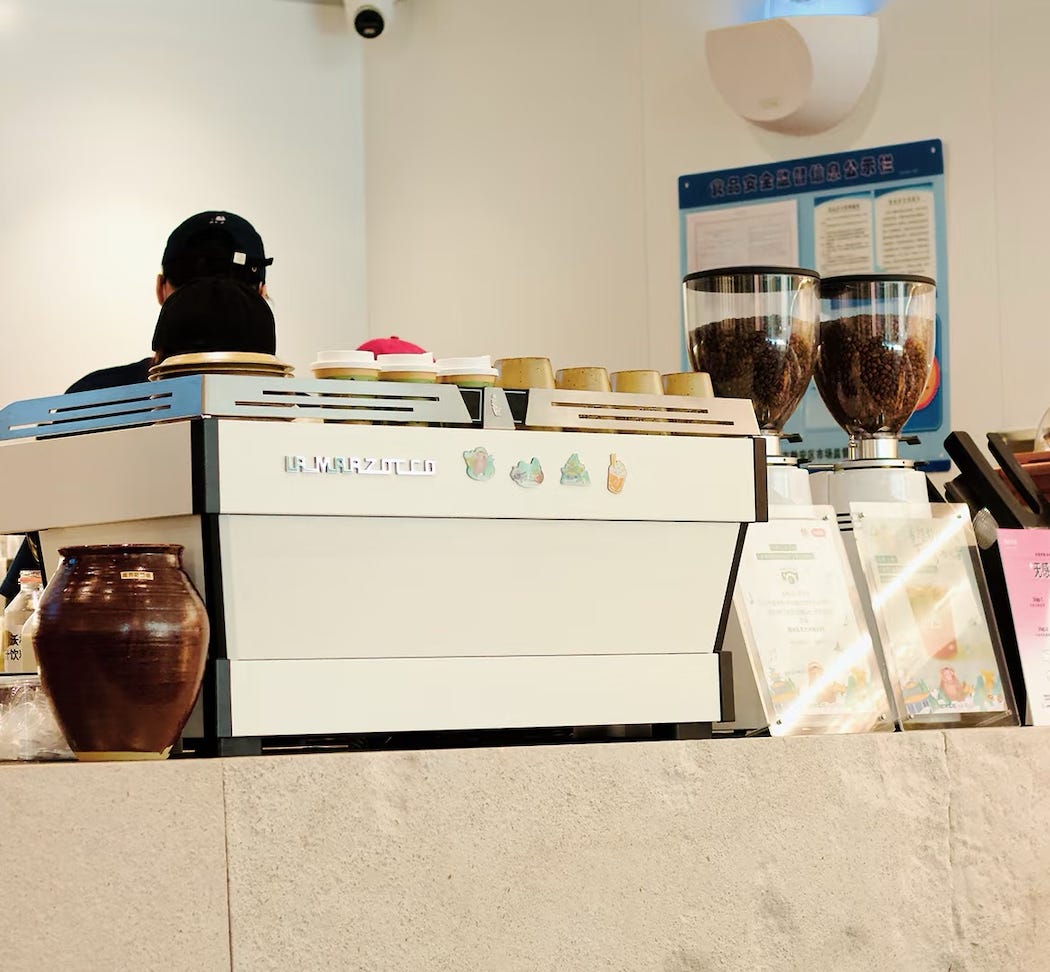
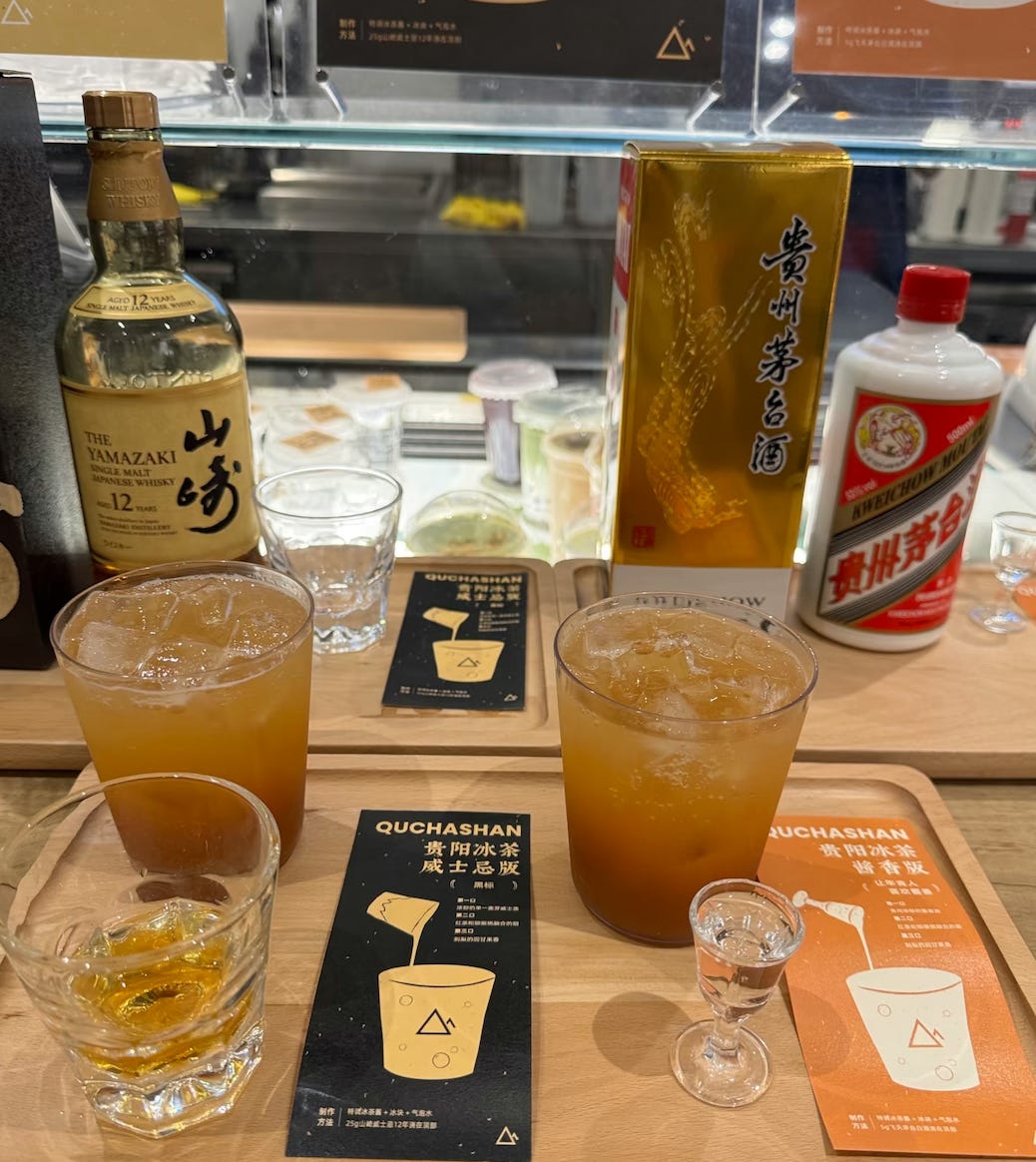
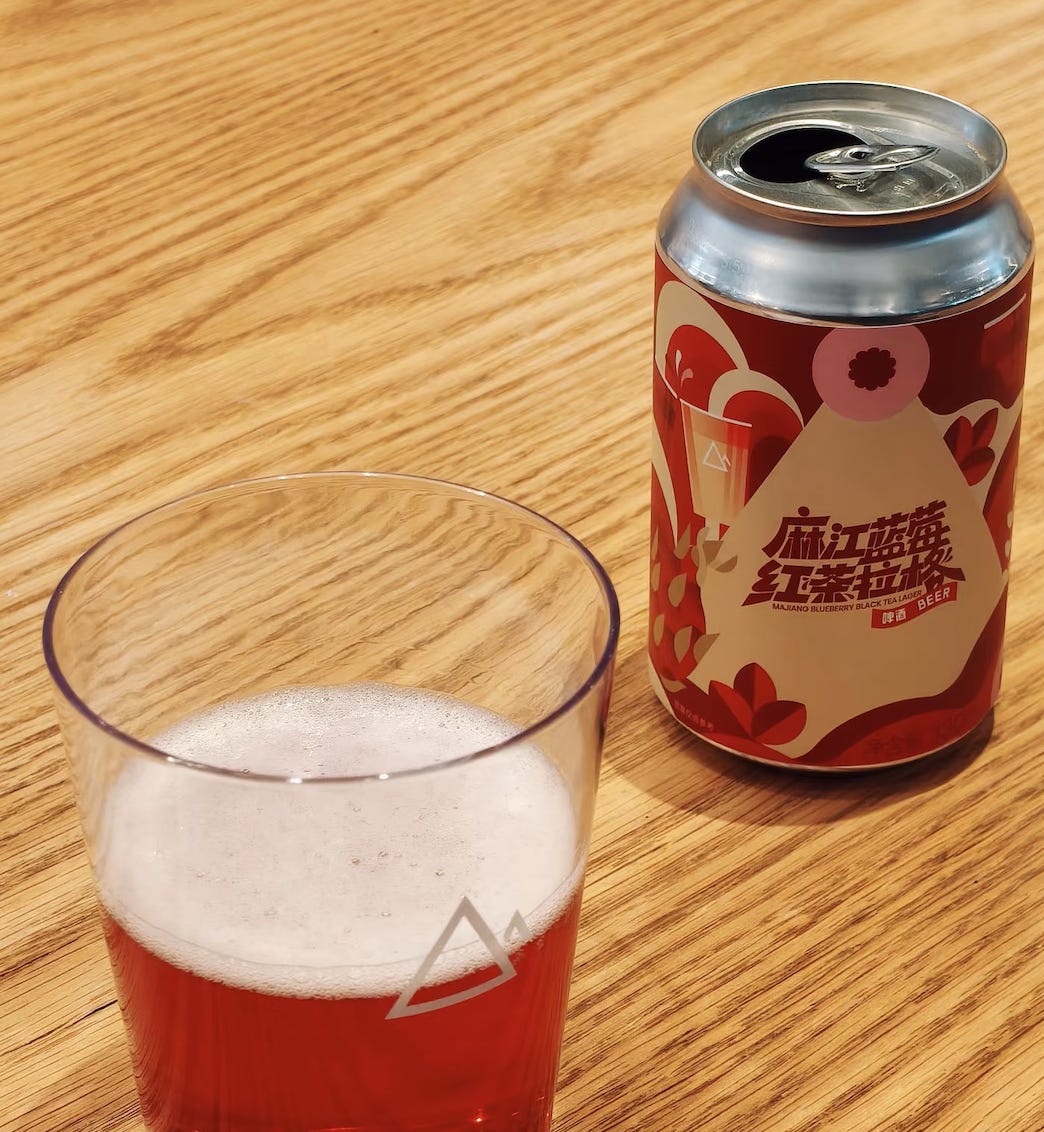
CreaTea is very explicit about wanting to take share from specialty cafe and craft beer shops. Many of its locations use equipment that is essentially on par with premium coffee store and craft beer bars already — so wild.
This aligns with how the founder frames the business: they’re not just “a tea brand”; they’re trying to “make a truly good-tasting cup of water.” In that sense, CreaTea looks more like a premium version of Mixue – a quality-focused platform that will eventually extend into multiple beverage categories, rather than a narrow tea-only concept.
Interestingly, the brand did not lean heavily into the “Guizhou” element at the start. It was only when it expanded nationwide that it discovered how commercially powerful that regional identity could be. This was enabled by post-Covid tourism: the boom in Guizhou tourism exposed a national audience to the region’s landscapes and culture, which in turn created a window for “Guizhou-origin ingredients” to travel across the country — such as Roxburgh Rose 刺梨 and Tongren Macha 铜仁抹茶.
Alcalcha — Rebuilding Coffee’s Category Architecture in Tea, but with Very Strange Tastes
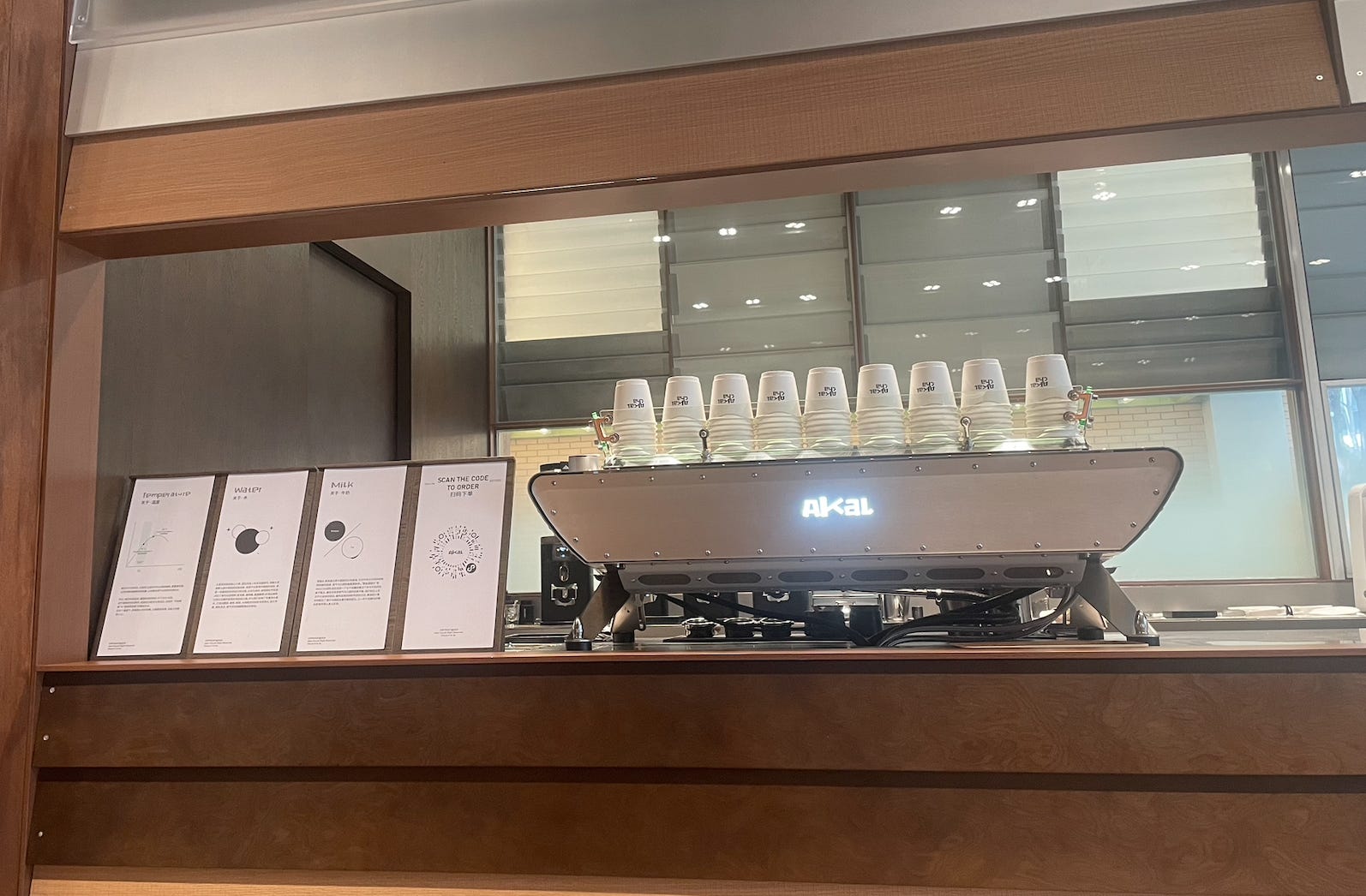
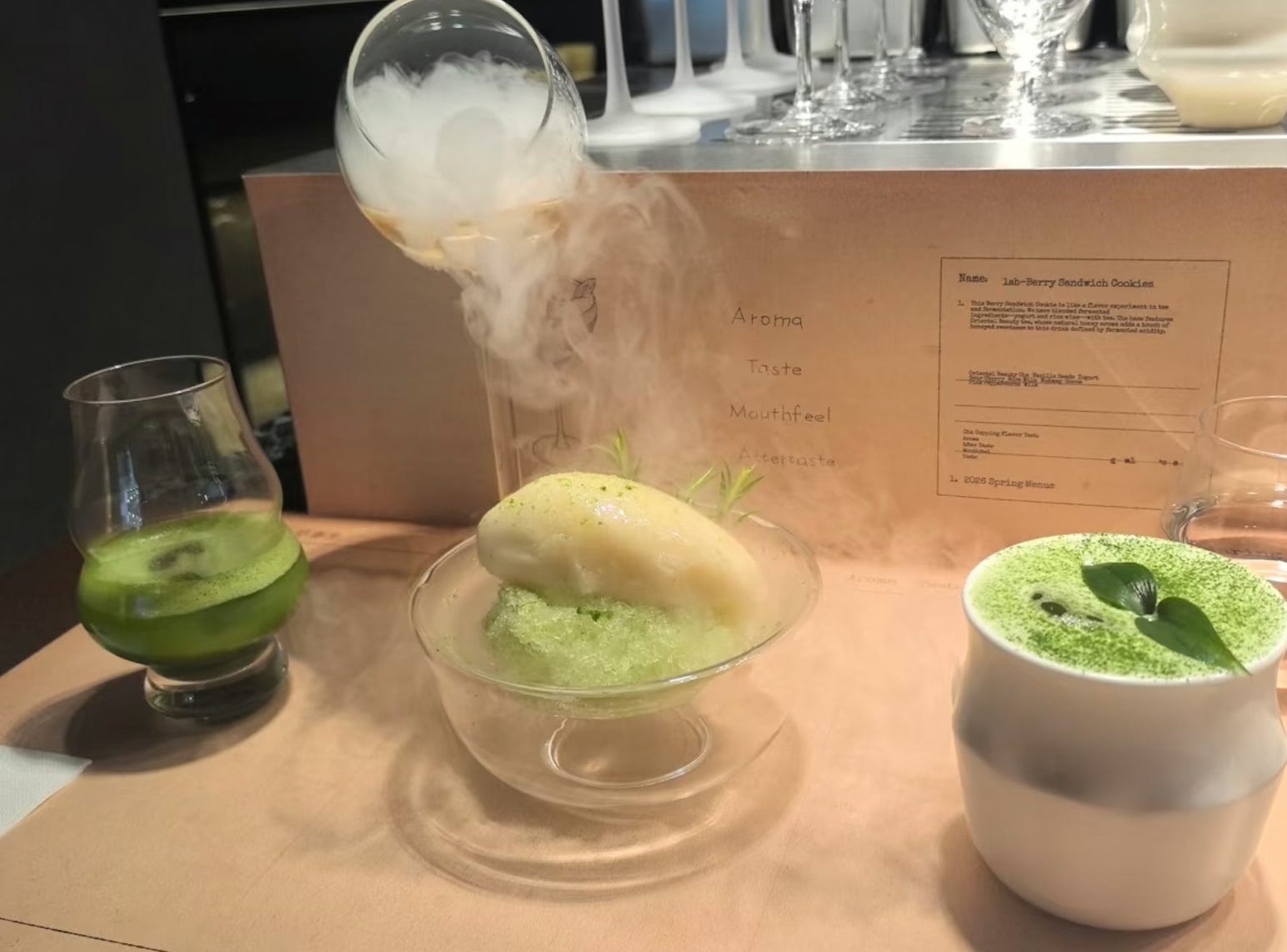
Alcalcha’s store layout is divided into three parallel sections: tea-coffee, tea-based specialty drinks, and tea pour-over. This is a direct mirroring of the three major pillars of the coffee industry.
Strategically, it’s bold and even elegant on paper. But several of its actual products don’t live up to that ambition. From my own experience, the tea-coffee drinks I tried were literally odd and, frankly, taste unpleasant. It’s hard to understand what the founder was thinking at the product level – it’s one thing to have a clever concept; it’s another to serve consumers something that, at the end of the day, just isn’t drinkable.
By contrast, within this “coffee-benchmarked” segment, I much prefer Mamahecha and BASAO: the former does an excellent job with tea-based cocktail creative drinks, and the latter delivers a truly outstanding pure-tea experience.
Conclusion: The New-Style Tea War Is Now a War of Hard Fundamentals
China’s fresh-made tea war has already moved past the stage of “who tells the better story.” We are now in the phase of “who has the harder fundamentals” – product, supply chain, and organizational execution.
Super chains are competing on supply-chain depth, standardization, and scale efficiency;
Innovation labs are competing on who can define the next product paradigm;
Regional-culture brands are trying to turn local terroir into scalable product assets;
“Freshness and Hand-made” concepts are trading extreme experience for high margins and high loyalty;
Coffee-inspired tea brands are attempting to rebuild the coffee category architecture around tea.
In a category where products cannot be protected by copyright, any brand that stops moving will, often quietly, be left behind.
There are only two types of players that can survive this cycle:
Those who always have something genuinely new to offer, without breaking their operating system;
Those who may not tell the flashiest story, but who go extremely deep in supply chain, store operations, and product.
Everyone else will slowly be cleared out by this “fresh-made tea war.”
You can tell stories. In fact, you should. But the product has to outweigh the story’s momentum by a wide margin if the story is to sustain itself. Otherwise, the bigger the story you tell, the faster it will turn and hit you on the way down.
To learn more about China’s fresh-made tea industry, feel free to explore my earlier posts linked below 👇


What an epic read Sam! I am doing a similar study on independent cafés in Europe. And reading your piece inspired me x10, so thank YOU!
Very informative. Thanks!